
News
Competition vs Recreational BJJ for Kids

Saturday morning. Class just wrapped up. Your kid did well, focused, smiling, and smelling like a gym mat. Then the coach casually mentions a tournament next month. Now you’re at home, staring at a registration page, wondering if they’re actually ready or if you’re about to sign them up for a public meltdown.
A child’s first BJJ competition isn’t about proving they’re a prodigy. It’s about timing, temperament, and whether they’re actually looking for a challenge.
Below, we’ll review the real-world differences between the recreational and competitive paths, how to spot the "ready" signs, and how to handle the logistics without losing your mind.
Defining the Paths: Rec vs. Comp
Before deciding when a child should compete, it helps to understand what actually changes inside the gym. Not in theory, but in day-to-day reality.
Recreational BJJ is where most kids begin. And for many, where they stay for years. It treats jiu jitsu as a martial art first, not a scoreboard.
-
Classes prioritize movement, balance, and basic problem-solving.
-
Emphasis on safety, cooperation, and learning how to train with others
-
Progress shows up quietly: better posture, calmer reactions, steady confidence
-
Training fits naturally around school, family time, and other sports
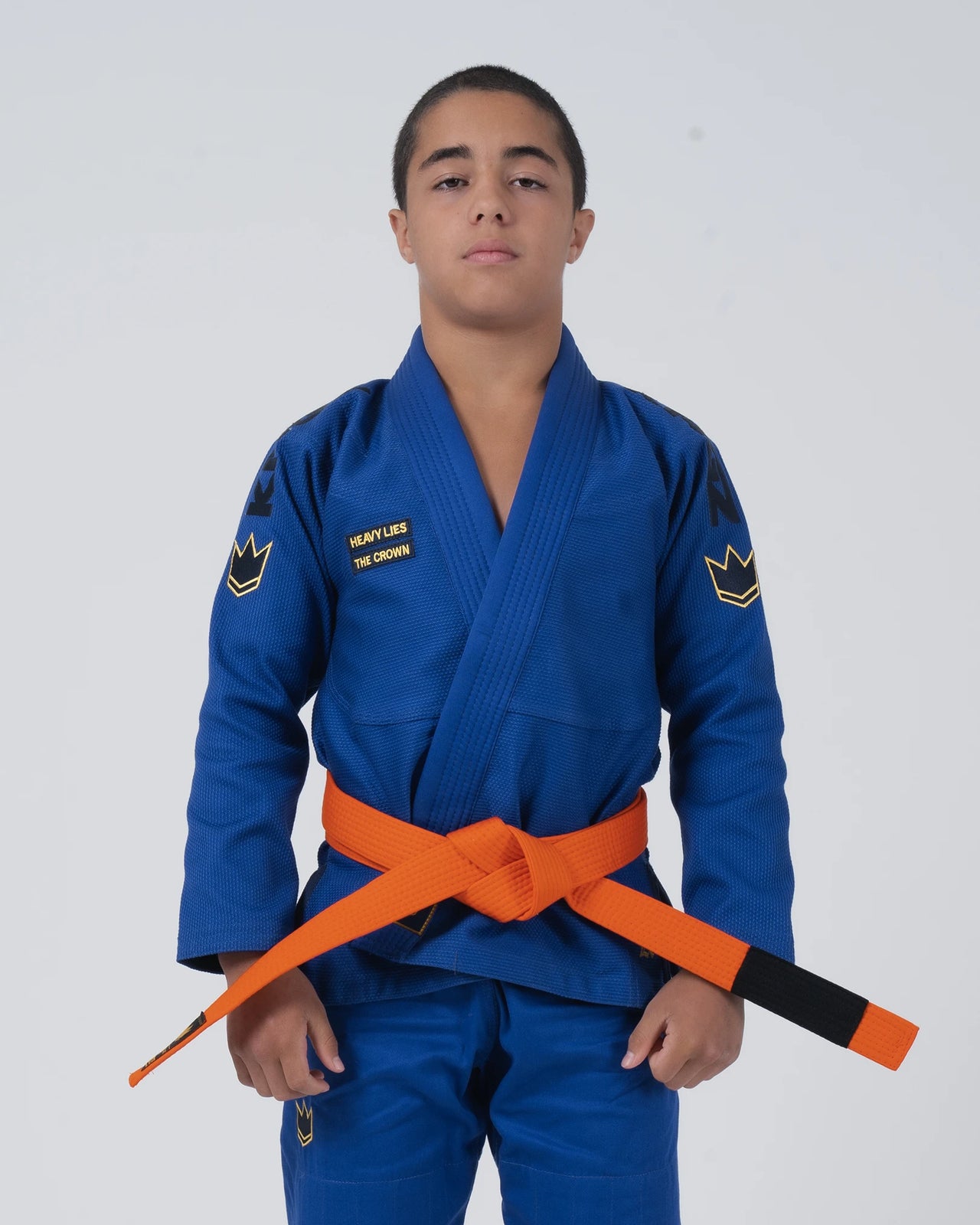
Pro tip: For younger athletes, knowing what a proper kids BJJ gi looks like can help you ensure comfort and safety during class.
It’s the long game. Fewer spikes. More roots.
Competitive BJJ, on the other hand, shifts the lens. Same art, different gear.
-
Training becomes goal-oriented, often tied to upcoming tournaments
-
Techniques are practiced with specific outcomes in mind (control, submissions, rules)
-
Live rolling happens more often and at a higher pace
-
Feedback is sharper. Wins and losses are discussed openly
Neither path is more serious. They’re simply different modes of the same practice. Many kids move between them over time, stepping into competition, stepping back out, then returning when curiosity or confidence pulls them forward again. Deciding on competing in BJJ often depends on your child's curiosity and readiness.
That flexibility matters. Especially early on.
Logistical Head-to-Head: What Changes?
This is the part most parents don’t hear about until they’re already in it. Not the philosophy. The logistics. The stuff that quietly reshapes your week.
Time commitment shifts first, and it’s rarely subtle.
-
Recreational training usually sits at 2 - 3 classes per week
-
Competitive tracks often add team sessions or invite-only classes
-
Weeknights fill up faster; weekends start revolving around training blocks
It’s manageable. Until it isn’t. And that line looks different for every family.
Financials come next. Not overwhelming on their own, but cumulative.
-
Tournament registration fees
-
Travel costs (sometimes early mornings, sometimes hotel rooms)
-
Competition-legal gis, typically white, blue, or black only
None of this is hidden. It just adds up quietly, one event at a time.
Intensity inside the room changes as well.
-
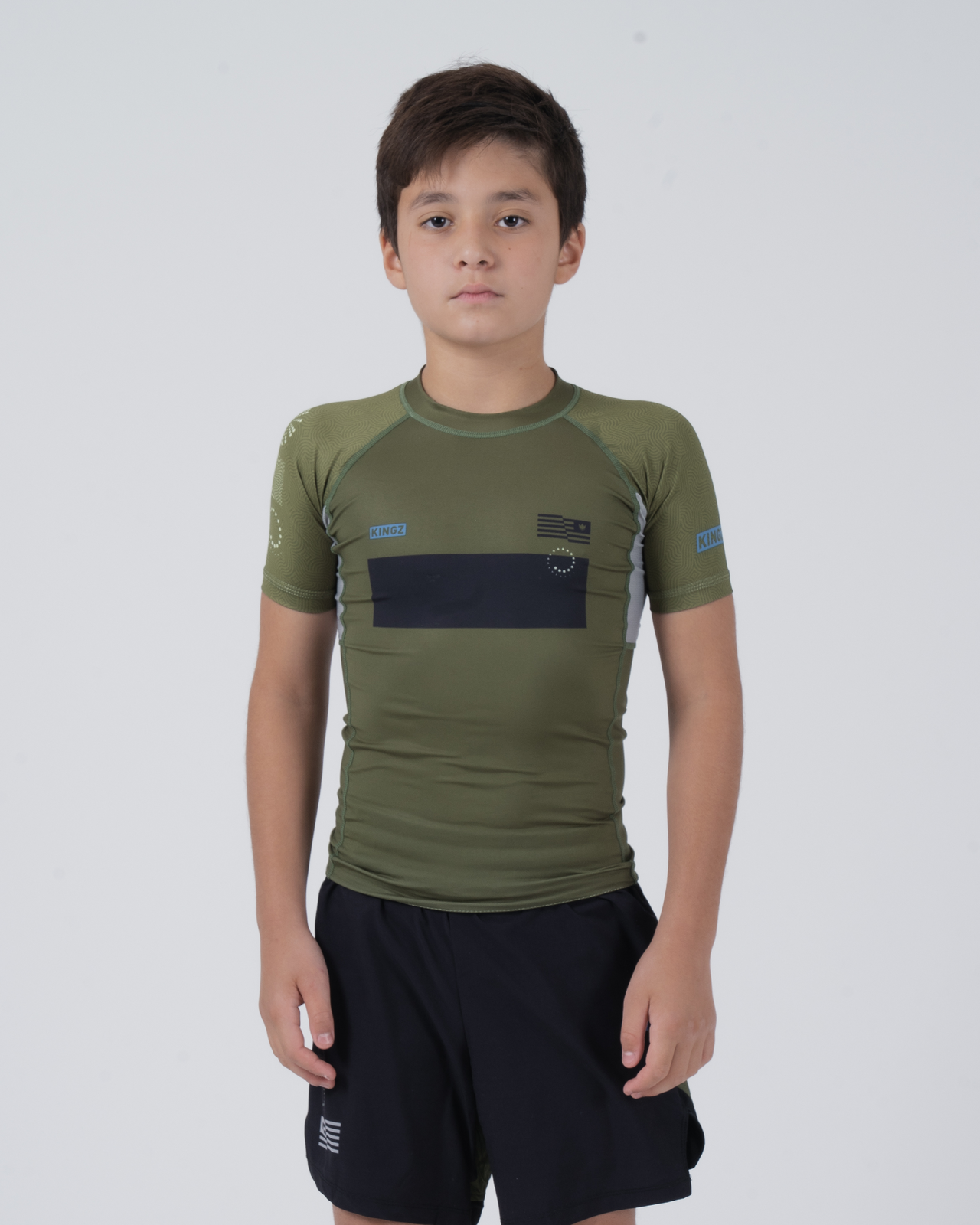
More live rolling, more often (Make sure they're equipped with items like kids rash guards to support safety and comfort).
-
Faster rounds, fewer pauses
-
Coaches asking for sharper focus, especially close to competition dates
Some kids light up here. Others shrink back. Both reactions are normal.
Then there’s your role, the part no one prepares you for.
-
Recreational parents watch, wave, and head home
-
Competition parents corner, track brackets, manage nerves, and keep emotions steady
You’re no longer just observing. You’re part of the day. A calm presence. Ideally.
None of these changes are inherently good or bad. They’re simply the trade-offs. Knowing them ahead of time makes the decision feel less like a leap, and more like a step.
The Benefits: Why Choose Either?
This is where opinions start flying. Usually loudly. But benefits don’t live in absolutes, they show up differently, depending on the child standing on the mat.
The recreational path builds slowly, almost invisibly. And that’s the point.
-
Higher long-term retention; kids are less likely to flame out early
-
A stable social circle that exists outside school pressure and grades
-
Room to enjoy jiu jitsu without the weight of performance
Progress here doesn’t announce itself. It accumulates. One calm reaction at a time.
The competition path delivers contrast. Pressure. Then release.
-
A noticeable confidence jump after a first BJJ competition, win or lose
-
Exposure to stress in a controlled, supervised environment
-
Learning emotional regulation when adrenaline hits, and plans fall apart
Losing isn’t a verdict. It’s information. A data point you review, then move past.
Not every child needs that lesson early. Some aren’t ready for it at all. But for the right kid, at the right moment, competition doesn’t harden them; it clarifies things.
What matters most isn’t which path you choose. It’s whether the experience leaves your child wanting to come back to the mat next week.
The "Safety First" Section: Addressing Parent Fears
Let’s be honest. This question usually sits in the background, even when no one asks it directly. Is my kid going to get hurt?
It’s a fair concern. And it deserves a straight answer.
In children’s divisions, safety comes first. Always.
-
Referees are deliberately conservative and quick to stop action
-
Coaches are expected to advocate for their athletes, not push boundaries
-
Matches are short, controlled, and closely supervised
This isn’t adult competition scaled down. It’s a different environment altogether.
Rulesets matter, especially for kids.
-
Dangerous submissions like heel hooks are strictly banned
-
Slams are not allowed
-
Age and weight classes are tightly regulated
Age and weight classes are tightly regulated to ensure fair matches, so understanding BJJ weight classes can help you prepare for how divisions work in kids' events.
The goal isn’t to see who’s toughest. It’s to let kids experience structured resistance without unnecessary risk.
No contact sport is risk-free. That’s the truth. But in well-run BJJ events, the systems are designed to protect children first, and teach second. For most parents, understanding that framework eases more anxiety than any reassurance ever could.
Preparing for Your Child’s First BJJ Competition
This part isn’t about drilling harder or winning medals. It’s about readiness, real readiness, not the kind driven by excitement or a highlight video you watched too late at night.
Start with a simple checklist. Boring, maybe. Useful, definitely.
-
Your child shows up consistently to class without being pushed
-
They ask questions, even clumsy ones, about sparring or rules
-
The coach agrees it’s a good next step (this matters more than most parents think)
If one of those pieces is missing, that’s information. Not a failure.
Mental prep matters more than technique at this stage.
-
Frame the goal as stepping on the mat, not standing on a podium
-
Talk through what losing looks like, and what happens after (hint: life continues)
-
Normalize nerves; even confident kids feel them
Some kids talk a lot before the competition. Others go quiet. Both are fine. Then there’s the logistics bag, the unglamorous side of tournament day.
-
Extra water (more than you think)
-
Sandals or slides to keep feet clean
-
A spare gi, just in case
-
Snacks that won’t turn nerves into stomach aches
Preparation reduces stress. For everyone. Finally, the hardest role to get right: you.
-
Be present, not performative
-
Offer reassurance, not instruction
-
Let the coach coach
Your job isn’t to analyze every grip or call out moves from the sidelines. It’s to be steady. Calm. Familiar.
Most kids won’t remember the score years from now. They’ll remember how the day felt. You help shape that more than you realize.
Submission Only Jiu Jitsu: A Different Beast
At some point, you’ll hear the term and pause. Submission only jiu jitsu. It sounds intense. Sometimes it is. Sometimes it’s just, different.
Here’s the quick contrast.
-
Points-based tournaments reward position, control, and timing. Understanding how BJJ tournaments structure points and divisions can make it easier to explain to your child what to focus on.
-
Submission only formats remove the scoreboard and ask one question: Can you finish?
That shift changes how matches feel.
Why some kids thrive here:
-
Encourages initiative instead of stalling
-
Rewards clean technique over gaming points
-
Can feel simpler, no math, no clock watching
Why others struggle:
-
Matches may run longer
-
No points can mean more uncertainty
-
Pressure can feel heavier without clear milestones
For most kids, submission-only events make more sense after they’ve experienced a few points-based tournaments. One or two is usually enough. By then, the environment feels familiar, and the ruleset becomes a choice, not a shock.
Making the Choice & Red Flags
This decision isn’t about toughness. It’s about fit.
Some kids are perfectionists. Losses hit hard. Others are fireballs, they need an outlet and bounce back quickly. Neither personality is better. They just need different pacing.
A few signs it may be better to stay recreational, at least for now:
-
Your child seems motivated mainly to please you
-
Anxiety about losing bleeds into sleep or school
-
Training leaves them sore, frustrated, or withdrawn more often than energized
None of these means “never.” They mean not yet.
The best competition journeys start when the child is pulling forward, and the adults are calmly walking beside them.
Bottom Line
Jiu-Jitsu is a marathon. Whether your kid is chasing medals or just showing up to roll with their friends, they’re still learning how to handle pressure and keep their cool.
Don't feel like you're in a rush. There’s no missed window here. The mats aren't going anywhere, and there will always be another tournament next season if they aren't feeling it yet.
FAQs
How young is too young for a first BJJ competition?
If they can follow a coach's lead and actually ask to go, they’re ready. Don't overthink the age; just make sure it’s their idea, not yours.
Should my child do submission only jiu jitsu first?
Better to start with points. It gives them a clear "map" of how to win. Sub-only can get messy and frustrating if they don't have the basics down yet.
What if my child freezes or cries during their first match?
Expect it. It’s a lot of pressure! If they melt down, just give them a hug and head for tacos. It’s one day, not their whole BJJ career.
How many tournaments should kids compete in each year?
Two to four is plenty. You want them excited to go, not dreading another long Saturday in a humid gym. Keep it a "big event," not a chore.
Is competition necessary to progress in BJJ?
No. Some of the best grapplers out there never stepped on a podium. If they’re showing up, working hard, and having fun, they’re already winning at life.