
News
Recovery Tips for Hard BJJ Training Weeks

Your hands give it away first. Fingers stiff, knuckles tender, sleeves still carrying that faint salt-and-cotton smell from last night’s rounds. By Thursday, everything feels slower, not just your body, but your timing, your decisions.
Training hard is familiar territory. Most practitioners embrace that part. What’s easier to miss is the other half: BJJ recovery. Without it, progress stalls quietly.
Below, we’ll review how to recover with intent, so heavy weeks build you up instead of wearing you down.
Why Recovery Matters: It’s Not Just Your Muscles
Recovery can help with fixing a sore back, but its main purpose is your hardware. Hard training hits two distinct systems:
-
Muscle Fatigue (DOMS): The standard 48-hour ache. These micro-tears are the literal price of entry for building strength.
-
CNS Fatigue: This is your nervous system red-lining. It’s why you feel wired but tired, your mind is racing while your grip strength and reaction times tank.
Under the surface, rest is where the actual work happens. Protein synthesis repairs tissue, and glycogen stores, your muscles' fuel replenish. Without this, you’re just rolling on empty.
Pain is awful, but the biggest risk is the plateau. When your brain is exhausted, it stops downloading new movements. You might still be sweating, but your timing is slipping, and progress has stalled.
Recovery isn't stepping away from the sport. It’s the discipline that allows your training to actually take hold.
How Often to Train BJJ: The Art of Autoregulation
This question comes up constantly: how often to train BJJ if you actually want to improve, not just survive.
There isn’t one clean answer. There’s a range. And where you fall depends less on motivation, more on adaptation.
Here’s the general spectrum most practitioners settle into over time:
|
Level |
Frequency |
Focus |
|
Beginner |
2–3 sessions/week |
Movement literacy, survival, conditioning |
|
Intermediate |
3–5 sessions/week |
Positional sparring, timing, skill refinement |
|
Advanced / Competitor |
5–6+ sessions/week |
High-intensity rounds, competition pacing, efficiency |
Notice the pattern. More experience doesn’t just mean more training; it means better management of recovery between sessions.
This is where autoregulation comes in. It sounds technical, but it’s really just awareness. Paying attention. Adjusting based on what your body is telling you, not what your calendar says.
A few signals matter more than people realize:
-
Elevated resting heart rate in the morning: Your system hasn’t fully recovered
-
Grip strength disappears early in training: Nervous system fatigue, not just muscle fatigue
-
Reaction time feels delayed: You see openings, but you’re late
-
Motivation drops suddenly: Not laziness, often neurological exhaustion
-
Sleep feels shallow or restless: Your system is still “on”
On those days, pushing harder rarely helps. It usually makes the hole deeper.
One focused, present session does more for your development than three sessions where you’re mentally checked out and physically slow. Everyone has had those rounds, where you’re just reacting, half a step behind, surviving instead of learning.
Training frequency only works when recovery keeps pace. Otherwise, you’re not building skill. You’re accumulating wear.
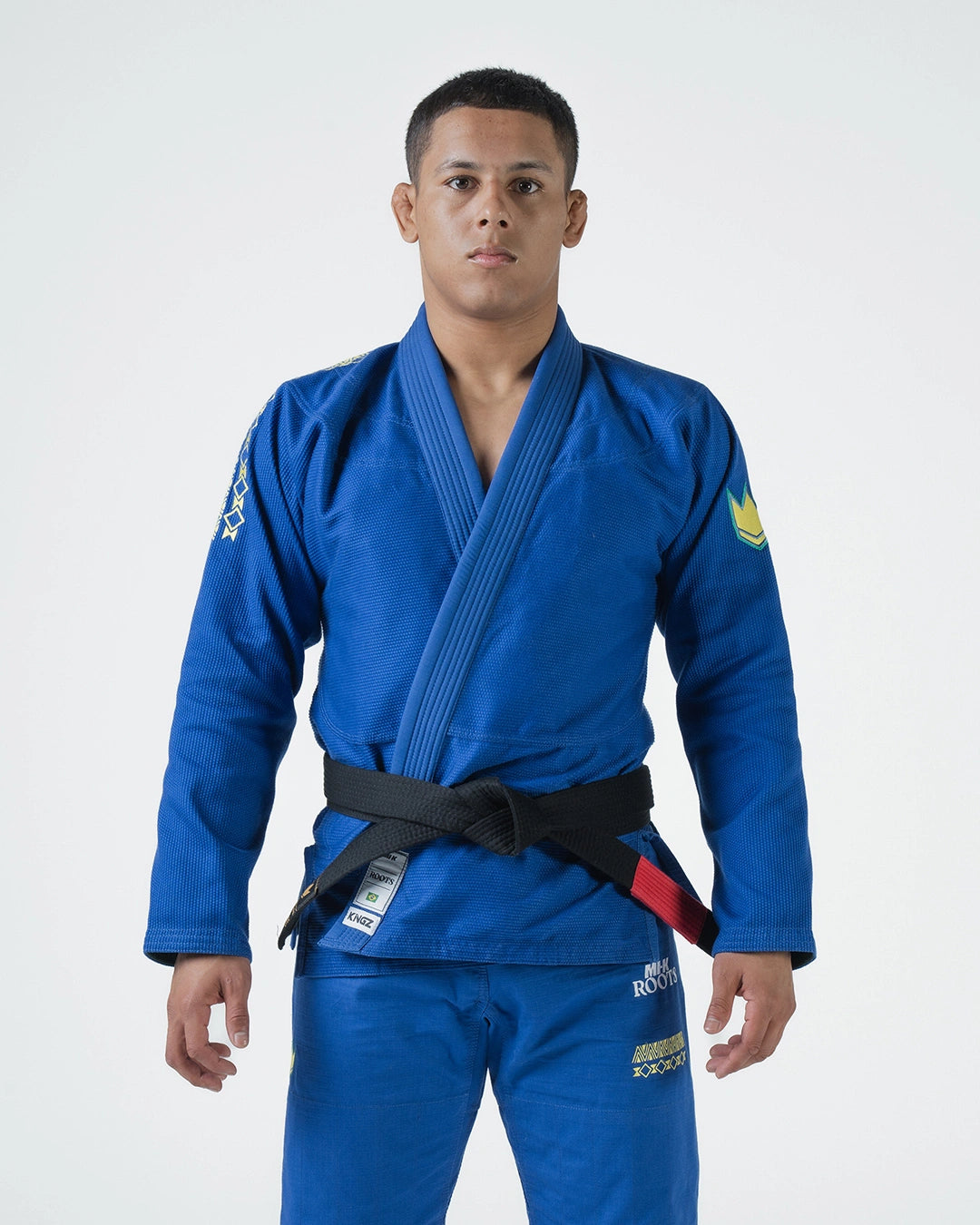
High-Performance Recovery Strategies
Good BJJ recovery isn’t passive. It’s not just taking a day off and hoping your body figures it out. You need intent. Small adjustments, done consistently, change how fast you bounce back, how clear you feel, and how ready you are when the next hard session arrives.
I. Sleep: The Real CNS Reset
Nothing replaces sleep. Not supplements. Not ice baths.
During deep sleep, your nervous system downshifts. Stress hormones fall. Tissue repair accelerates. Motor patterns, the things you drilled and repeated, get consolidated. This is where learning actually sticks.
-
7 to 9 hours per night, especially during hard training weeks
-
A cold room, slightly cooler than comfortable
-
Complete darkness, blackout curtains help here
-
Consistent sleep timing, even on rest days
Late classes make this harder. Your nervous system stays alert long after training ends. If sleep feels delayed, give yourself a short buffer, shower, dim lights, slow everything down. Let the system idle before shutting off.
II. The Electrolyte-First Hydration Strategy
After a hard session in the gi, you’re not just losing water. You’re losing minerals, especially sodium. And plain water alone doesn’t fully fix that imbalance.
This is often why people feel that strange post-training fog. Heavy body. Slow thoughts. Prioritize restoring electrolytes first:
-
Sodium supports nerve signaling and fluid balance
-
Potassium helps muscle contraction and coordination
-
Magnesium supports muscle relaxation and sleep quality
A simple habit: Drink water with electrolytes shortly after training, not just before. It helps restore clarity faster.
III. Nutrition and the Inflammation Paradox
After hard rounds, your body enters a repair state. It needs raw materials, and timing matters.
The most effective post-training window includes:
-
Fast-absorbing carbohydrates to restore glycogen
-
High-quality protein to support muscle repair
-
Adequate total calories to prevent prolonged fatigue
This becomes even more important during competition prep, especially when considering how aggressive weight cuts affect BJJ recovery and long-term performance.
This doesn’t need to be complicated. Rice and protein, fruit and yogurt, or a simple shake are practical choices for BJJ recovery.
Caution: Avoid reaching for anti-inflammatory drugs immediately after training unless necessary.
Inflammation sounds negative, but it’s part of the adaptation process. Blunting it too early can slow recovery long-term. Let the body initiate repair naturally.
IV. BJJ-Specific Active Recovery
Complete inactivity isn’t always the fastest way to recover. Controlled movement helps circulation, reduces stiffness, and reinforces technique without adding stress.
Two methods work especially well:
-
Flow rolling at low intensity (20 - 30%)
-
No resistance
-
No winning or losing
-
Just movement and timing
On lighter days, compression rash guards for BJJ sessions can support circulation while keeping movement unrestricted.
-
Mobility work focused on high-stress areas
-
Hips
-
Lower back
-
Neck
-
Thoracic spine
V. Evidence-Based Supplementation
Supplements don’t replace fundamentals, but a few have real value when training volume increases. The most reliable options include:
-
Magnesium
-
Supports muscle relaxation
-
Improves sleep depth
-
Helps nervous system recovery
-
Omega-3 fatty acids
-
Support joint health
-
Reduce excessive inflammation
-
Useful during intense training cycles
-
Supports short-burst power
-
Helps restore cellular energy
-
Emerging evidence suggests neurological recovery benefits, too
None of these replaces sleep, hydration, or nutrition. They support them.

Identifying the Red Zone: Overtraining
Sometimes the warning signs are subtle. Other times, they’re loud.
If BJJ recovery keeps falling behind, your body shifts into what many call the red zone. Performance drops, but more importantly, your relationship with training changes.
Watch for patterns like:
-
Loss of appetite despite high output
-
Irritability or unusual mood swings
-
Nagging micro-injuries that never fully settle
-
A sudden dread of class
That last one matters. When showing up feels heavy, not focused, it’s often fatigue, not discipline. This is when a deload week helps..
Bottom Line
Jiu jitsu rewards consistency, not urgency. The practitioners who last aren’t the ones who push hardest every week; they’re the ones who recover well enough to keep showing up.
BJJ recovery isn’t time lost. It’s where adaptation happens. Strength returns. Clarity comes back. Train hard, yes. But recover with equal intent. Because progress doesn’t come from how much you do. It comes from how well your body absorbs the work.
FAQs
How often should you train BJJ each week?
Aim for 3 - 5 days. Beginners should start with two. If you’re waking up exhausted every day, dial it back. Consistency matters more than crushing yourself.
What’s the fastest way to improve BJJ recovery?
Sleep eight hours. Forget the fancy gadgets and ice baths; if you aren’t sleeping, you aren’t recovering. It’s the only thing that actually moves the needle.
Is it okay to train BJJ while sore?
Stiff muscles are fine, just warm up well. But if a joint feels sharp or unstable, stay home. Don't turn a one-day rest into a six-month surgery.
Do supplements actually help BJJ recovery?
They’re only the last 5%. Magnesium and creatine help, but they won’t fix a bad diet or four hours of sleep. Get your basics right first.
What are the signs you need a deload week?
When you’re dreading class, sleeping poorly, and getting smashed by everyone, take a week off. Your nervous system needs to catch up, so you don't burn out.