
News
Kids BJJ: Benefits, Safety, and What Parents Should Know

Today, many children spend significant time on screens, which can affect attention, movement habits, and development.Shorter attention spans and restlessness are common concerns raised by parents and educators.
Kids BJJ is a practical alternative that combines movement with purpose; it teaches patience as much as strength. Many parents look for activities that offer this balance
The Benefits of Kids BJJ
BJJ for kids delivers benefits that reach well beyond the mats. Here’s what parents can expect when a child starts training.
Starting or pursuing sports like Jiu Jitsu comes up all the time in conversations between parents, teachers, and even coaches. It’s popular because it addresses both physical and behavioral development. Many of the benefits appear gradually, often outside the gym. How a kid moves. How they think. How they handle it when things don’t go their way.
Physical Fitness That Builds Without Breaking
Kids jiu jitsu doesn’t build muscles with heavy weights or endless repetition. It’s slow, intentional, and clever about building strength. Classes often include:
-
Balance drills that feel like play but teach coordination
-
Positional games that challenge awareness without placing excessive stress on joints
-
Partner exercises focused on control, not power
You’ll notice kids gaining:
-
Core strength, posture, and better body awareness
-
Grip endurance and flexibility
-
Steady cardiovascular fitness, without them realizing they’re “training”
For kids who get burned out in high-intensity team sports, BJJ offers a steadier lane. Consistency matters more than raw athleticism.
Mental Resilience and Quiet Confidence
Each round presents a problem-solving scenario. Sometimes it clicks right away. Sometimes later. That cycle, try, fail, adjust, try again, is where the real work happens.
Kids start to:
-
Stay calm under pressure
-
Reset, breathe, and keep going
-
Handle setbacks without emotional escalation
-
Manage emotions after setbacks
Discipline, Focus, and Goal-Setting
Kids BJJ follows a clear rhythm: warm-ups, drills, technique, controlled sparring, and cooldown. This helps kids stay focused and keep going, even when it’s tough or a bit boring.
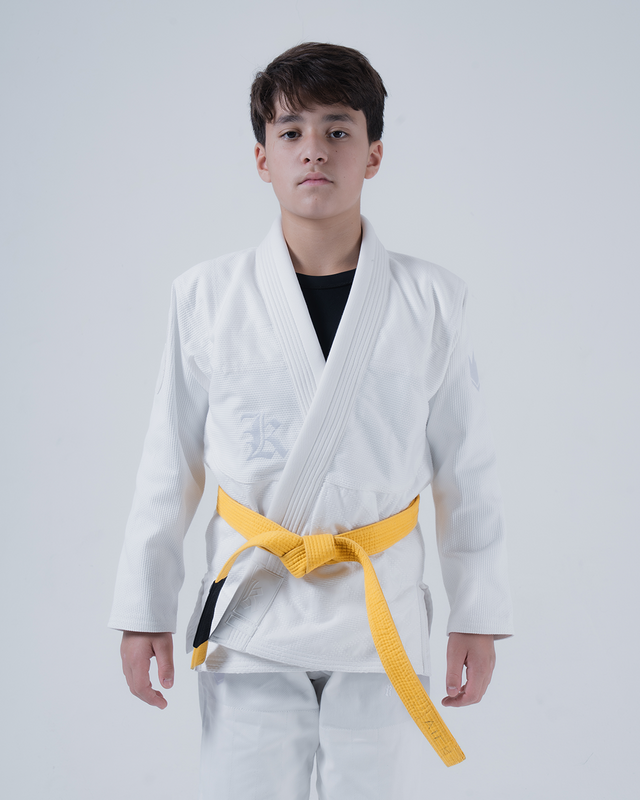
Belt progressions teach patience. You earn them. For those who struggle with focus, especially at school, it shows a simple truth: put in the effort now, see results later.
Social Skills and Anti-Bullying Awareness
Youth BJJ is surprisingly cooperative. Partners rotate. And, respect is a core expectation in every class
Kids learn to:
-
Train safely with others
-
Respect personal space and limits
-
Use strength responsibly and with control
-
Solve problems
From a self-defense perspective, BJJ is about awareness and de-escalation. The goal isn’t to hit; it’s to control, escape, and stay safe.
Skills That Carry Forward
Even after the first stripes fade, the lessons remain:
-
Keep showing up, even when motivation is low
-
Stay calm
-
Adjust and continue working through challenges
Kids BJJ isn’t about creating champions. It’s about shaping capable humans. Slowly. Repeatedly. One class at a time.
Safety Considerations in Youth BJJ
Safety is usually the first thing parents ask about. BJJ is a contact sport, but it is actually built to manage risk rather than just ignore it. When a program is run correctly, the focus is always on control and technical skill rather than just emphasizing toughness.
Why the Mat is a Controlled Environment
One of the biggest safety factors in Kids BJJ is that it happens on the ground. This limits the high-speed collisions common in contact field sports.
While minor things like a small bruise or a minor skin irritation from mat contact happen, serious injuries are rare in a disciplined gym.
The most important rule: the tap. Every child is taught that a tap on the partner or the mat means "stop everything." It’s a universal safety signal that gives every kid the power to end a round immediately.
Finding a Good Instructor
A professional youth coach doesn't just treat kids like small adults; they understand how children develop. Look for these signs:
-
Active Supervision: The coach is on the mats, not on their phone, watching every pair.
-
Smart Pairings: Kids are matched up by size, age, and how well they can control their movements.
-
A Clean Gym: Hygiene is a safety issue. Clean mats and clean uniforms prevent skin irritations.
Training for Each Age Group
Just like finding a fitting gi for your child, you need to find a fitting program:
-
Ages 4–7: Mostly movement games. They learn how to fall safely and move their bodies without getting frustrated.
-
Ages 8–12: This is where they start drilling real techniques and learning the "physics" of the sport.
-
Teens: The strategy gets more complex, and live rounds are more structured.
How Parents Can Help
Safety isn’t just the coach’s job; it’s a team thing. You can pitch in by making sure your kid’s nails are properly trimmed and that their gi (or rash guard) comes out of the wash clean every time.
Little things, sure, but they add up. And don’t forget: your child should know it’s totally okay to speak up if a partner is applying excessive pressure or if something just feels off.
Compared to sports like soccer, where knees and ankles get hammered over and over, or hockey with its constant body checks, kids jiu jitsu is surprisingly gentle on growing bodies. It’s low-impact, controlled, and emphasizes efficient movement.
What Parents Should Know Before Starting
Before the first class, most parents have a quiet checklist running in their head. Is my kid ready? Will they enjoy it? Is this going to be too much? Those questions are normal. Kids BJJ doesn’t require a specific “type” of child, but a little preparation goes a long way.
Finding the Right Age and Readiness
There’s no single perfect starting age, but many kids begin around four or five with no issue. Readiness matters more than birthdays.
Signs your child may be ready for kids jiu jitsu include:
-
Ability to follow simple instructions
-
Feels okay being around other kids in a group
-
Curious about moving, playing, or figuring things out
-
Open to trying, failing, and trying again
What a Typical Class Looks Like
Youth BJJ classes tend to follow a predictable flow, which helps kids feel secure, even on day one. Most sessions include:
-
Warm-ups focused on mobility and coordination
-
Technique instruction broken into simple steps
-
Partner drills with close supervision
-
Games that reinforce skills through movement
-
A short cooldown or review
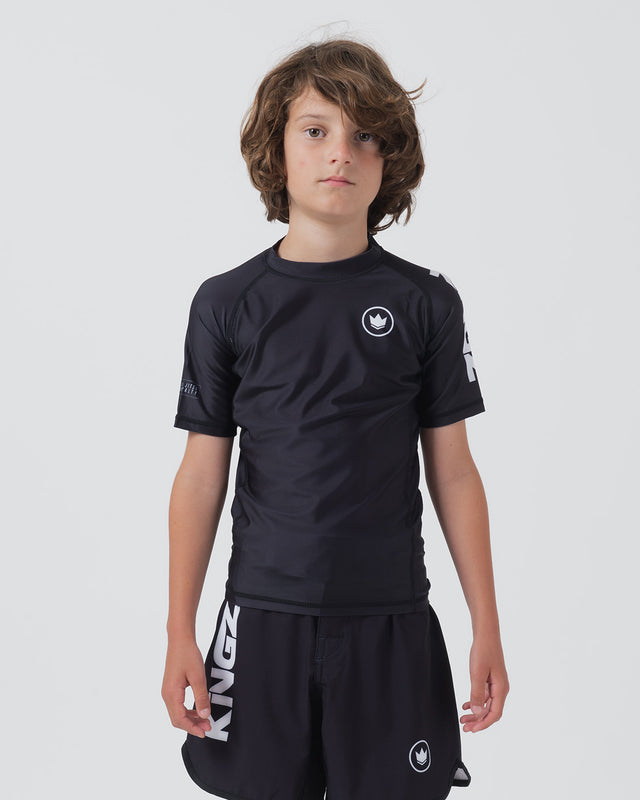
Gear stays simple. A well-fitting gi or rash guard, clean uniform, trimmed nails, and basic hygiene habits matter more than accessories.
Choosing a Quality Kids BJJ Program
When evaluating a kids BJJ program, environment often matters as much as curriculum. Look for:
-
Classes just for kids, not smaller adult lessons
-
Low student-to-instructor ratios
-
Clear rules for safety and behavior
-
Focus on respect, not showing off
Red flags: unchecked roughness, poor supervision, or an atmosphere that feels rushed or dismissive.
Supporting Your Child Over Time
Progress in kids BJJ isn’t linear. Some weeks go well, others don’t. Parents play an important role in keeping expectations grounded. Here is how:
-
Praise trying, not only winning
-
Encourage showing up regularly, without pressure
-
Accept that progress isn’t always steady
-
Balance BJJ with school, rest, and other activities
Common Challenges and How to Handle Them
Early hurdles are common. Shyness, frustration, or occasional difficult classes that affect motivation.
Simple responses often work best:
-
Stay calm and listen before reacting
-
Avoid forcing motivation, curiosity returns naturally
-
Talk through small goals instead of big ones
Kids BJJ isn’t about instant confidence. It’s about building comfort over time. Slowly. Repeatedly. With support.
Bottom Line
Kids BJJ builds character through consistent structure and practice. Classes provide clear frameworks through gradual work, drilling, and structured practice, helping children develop physically and mentally. There are no high-pressure dynamics common in some youth sports, where sideline intensity overshadows learning.
For parents, kids jiu-jitsu offers balance. It challenges children without chaos. Safety is built into every class, not added later.
Over time, kids develop habits: showing up when they don’t feel like it, staying calm under pressure, and pushing through moves that take time to learn.
These habits matter more than medals or short-term highlights. Real growth happens slowly, through small efforts adding up, shaping how a child handles challenges long after they leave the mat.
FAQs
Is jiu jitsu good for kids?
Yes. Kids build coordination, confidence, and self-control through structured training that's surprisingly low-impact. Consistency gets rewarded, not aggression.
Does jiu jitsu help kids focus?
Usually. Techniques require step-by-step attention, which translates to better patience and following instructions. It takes time.
What age should a kid start jiu jitsu?
Most start around 4 or 5, but readiness matters more. Can they listen to basic directions? Participate in group settings with basic emotional regulation? That's what counts.
Is BJJ a high-risk sport for kids?
Not really. It's lower risk than most contact sports because everything emphasizes control and happens close to the ground. Instructors watch closely.
How does BJJ compare to other martial arts for kids?
BJJ uses leverage and position instead of striking. Kids learn self-defense and discipline without getting hit repeatedly, which parents tend to appreciate.