


News

Weight classes are what keep Brazilian Jiu-Jitsu safe and fair. They split competitors into weight divisions so athletes of similar size can compete against each other. That way, you can decide a match by skill instead of just pure strength....

Certainly, the roots of this sport we all love – Brazilian jiu-jitsu – are far deeper than 100 years, as many others have already written extensively about. However, it was a hundred years ago, in 1925, that the first Brazilian academy dedicated to the evolving new style of martial art was born. Since then, BJJ has experienced growth unlike any other sport or martial art in history.
In all the excitement of the current state of the sport, it’s easy to forget its history. On this, the centennial anniversary of the first BJJ academy, we decided it was a good time to give a refresher course on jiu-jitsu’s evolution.
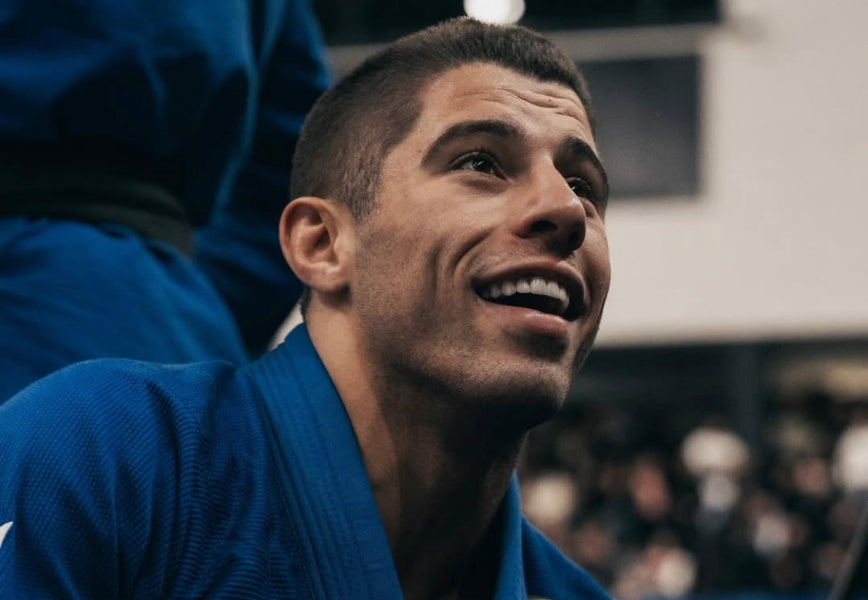
For some, it’s love at first roll.
The thrill of that first awkward fumbling of faux-combat, as you scoot around on your knees with your hands clutching air like a toddler. The first time you tap to a woman half your size with a sadistic gleam in her eyes, or to a pimple-faced teenager that smells like hot pockets. The first morning you wake up full-body sore, but already looking into how to change your last name to Gracie.
For others, it takes some time.
“Do I really, actually love this? Is this my thing?” you might ask yourself. Don’t worry, we’re here to help. Here are four symptoms that show that you have, indeed, fallen in love with Brazilian jiu-jitsu...
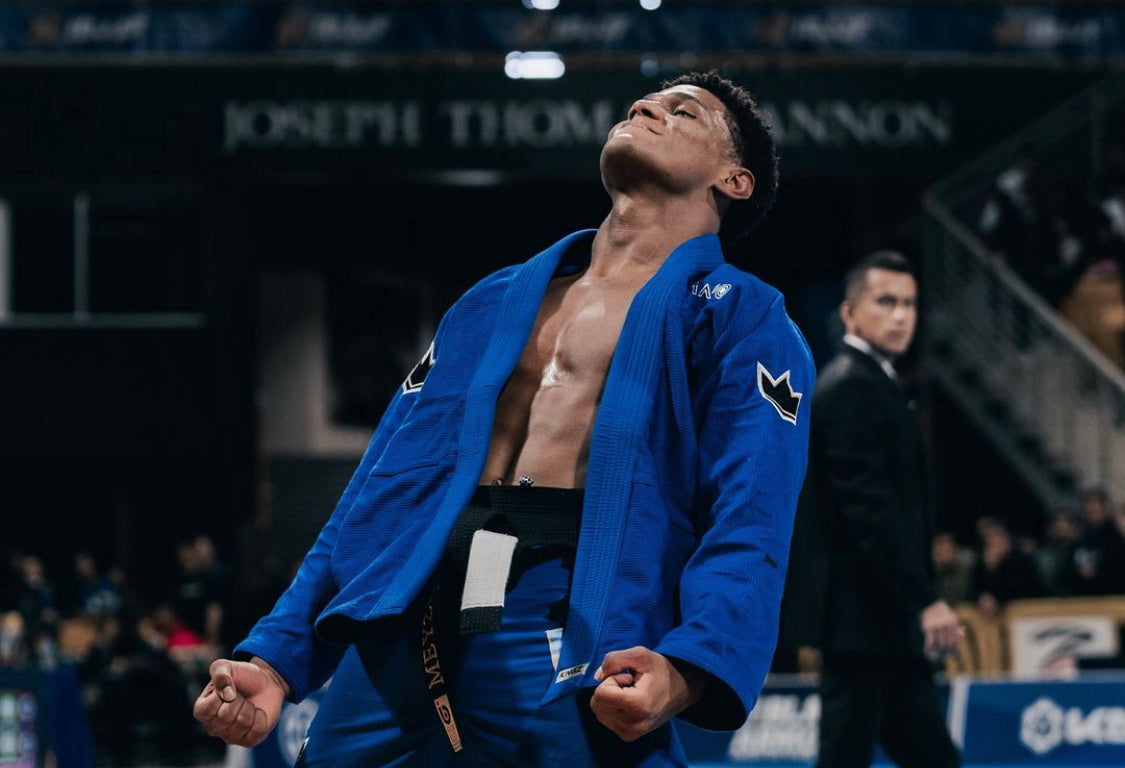
As the excitement of the 2024 Summer Olympics in France winds down, I’ve been getting a lot of questions – both from people on and off the mat – about why Brazilian jiu-jitsu isn’t an Olympic sport. Considering breakdancing and badminton are on the roster, why not jiu-jitsu?
The answer lies in a combination of factors related to the sport's governance, structure, and the complex criteria for Olympic inclusion. I am certainly not an expert on this, but I can summarize some of the major information and arguments out there in the jiu-jitsu community today.
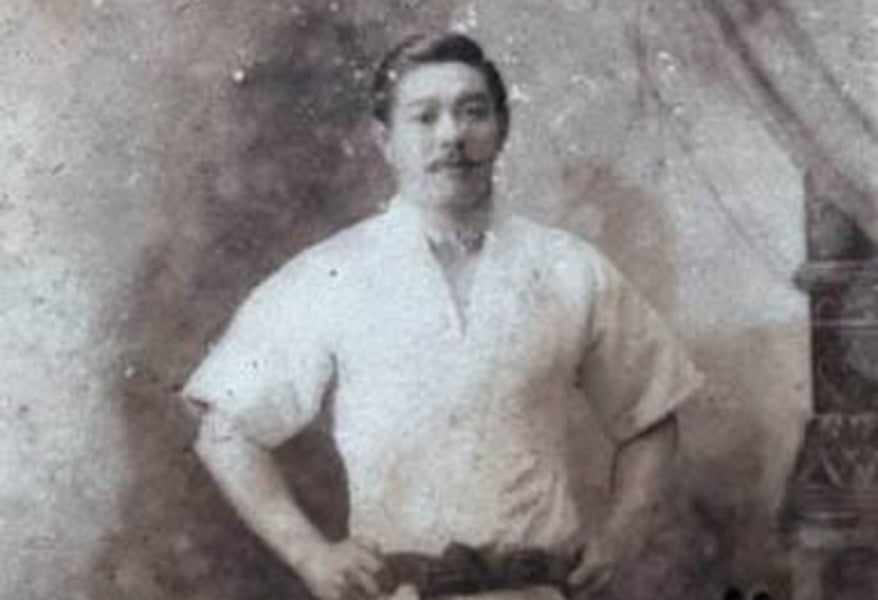
Jiu-jitsu has become so ubiquitous in today’s world, that’s hard to go anywhere without seeing a jiu-jitsu academy, or running into someone who either does it, or knows someone who trains. It’s really quite amazing. Unfortunately, with such rapid global expansion, the community tends to lose sight of the roots of the art.
Sure, nearly every Brazilian jiu-jitsu practitioner will have a cursory knowledge of its origins, and anyone worth their stripes will know of the Gracie family and the fact that they played a big part in its expansion, but few will know much more beyond that.
If you don’t have the time to do your own in-depth research – you have families, jobs, school, etc. – you should know just a few more details about the history of the "gentle art." So here’s a short cheat sheet of things to know, starting with its origins in the ancient martial traditions of Japan, to its transformation in Brazil, and finally to its global prominence today.


