


News
What to Wear to Your First Jiu-Jitsu Class: A Beginner’s Guide

Being a little nervous or experiencing a racing heart when stepping onto the mat is totally normal. Everybody has these feelings in their first days. In these situations, you, and many other beginners, may wonder what to wear to a jiu-jitsu class, as the wrong BJJ clothes can make your first rolls uncomfortable.
Below, we’ll break down the essentials, explain how to layer for comfort, and review the small details you might overlook.
Understanding Jiu-Jitsu Styles: Gi vs. No-Gi
When thinking about what to wear to your jiu-jitsu class, one of the first things to consider is the style, as there are two main training options: Gi and No-Gi. Each comes with its own jiu jitsu attire.
Gi (Traditional Uniform: Men / Women / Kids)
|
Aspect |
Gi |
|
What it is |
Jacket, pants, and belt made from thick cotton |
|
Pros |
Grip strength, control, classic chokes and sweeps |
|
Cons |
Heavy feel, more heat, limited movement |
No-Gi (Grappling Attire: Men / Women / Kids)
|
Aspect |
No-Gi |
|
What it is |
Rash guard or fitted top, shorts or spats |
|
Pros |
Free movement, less skin friction, athletic feel |
|
Cons |
Limited grips, higher demand on balance and positioning |
Tips for beginners
-
Check your academy: Some gyms choose just one type of these styles. Others may offer both Gi and No-Gi, but they alternate styles. Always confirm your training schedule.
-
Start simple: Basic Gi or No-Gi BJJ clothes are enough when experiencing your first days at the gym. You don’t need multiple attire.
-
Observe and adapt: Listen and watch carefully to learn how instructors, in each style, demonstrate techniques; your clothing shouldn’t limit your freedom of movement.
 JIU-JITSU WOMEN'S KIMONOS
Premium Jiu-Jitsu Gi | KiNGZ™
Engineered for Movement & Durability
Shop Now.
Essential Clothing for Your First Class
As mentioned earlier, when we know what to wear to a jiu-jitsu class, comfort, safety, and focus are guaranteed. As a beginner, you don’t need expensive BJJ clothes; essentials that let you move freely and also prevent injuries are great.
For Gi training:
|
Item |
Notes |
|
Gi |
Lightweight, pre-shrunk cotton |
|
Gi color |
White or blue (beginner standard) |
|
Size |
A0 - A6 |
|
Fit |
No bunching, easy movement |
|
Belt |
White belt required; check academy policy |
For No-Gi training:
|
Item |
Notes |
|
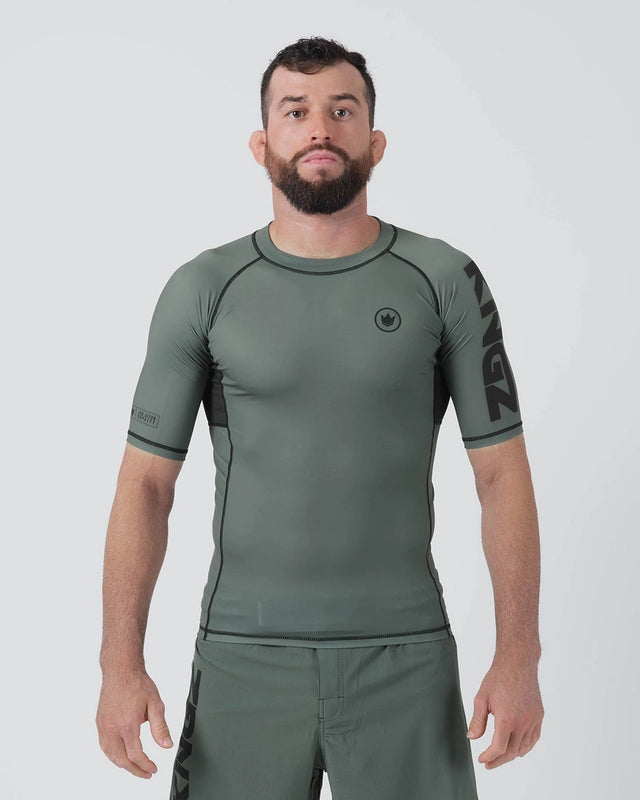
Rash guard |
Long or short sleeve, close fit, low friction |
|
Shorts / spats |
No pockets, no zippers, no loose fabric |
General tips:
-
Budget-friendly options: For durable starter jiu jitsu attire, try Kore Gi, Kore Rash Guard.
-
Fit over brand: Your BJJ clothes should feel snug, not tight. Simple rule to consider: being able to move freely, without distractions.
-
Borrow or rent if needed: Many gyms let first-timers try equipment before buying.
To keep costs low, start with the right basics. This lets you focus on learning techniques. Comfort and fit matter more than flashy gear, so prioritize clothing that moves with you on the mat.
What to Wear Underneath
Usually, you may not think about base layers much, but they can make or break your first few classes. What you wear under your Gi can be as important as your main BJJ clothes. Your comfort and freedom of movement, especially when you’re upside down, depend on the proper undergarment.
Two things to look for: Something breathable that pulls sweat away from your skin. Cotton is the worst offender here; it just holds moisture and gets heavy.
Men should wear athletic underwear or compression shorts that stay in place during movement. Loose boxers are not recommended, as they shift during training and can cause discomfort.
Women typically wear a supportive sports bra and may choose to wear a rash guard underneath the Gi, depending on gym policy. Some academies require a rash guard underneath the Gi jacket for hygiene and uniform standards. Always check your gym’s policy before class.
Additional tips:
-
Avoid jewelry or accessories that could snag on your partner or Gi.
-
Choose items that remain in place during rolls, preventing distractions.
-
Consider moisture-wicking materials for both Gi and No-Gi training.
By selecting the right underlayers, you ensure your clothing works with you, not against you, allowing full mobility and focus on learning techniques safely.
Footwear and Accessories
In Jiu-Jitsu, the mats are sacred; shoes stay off. Training barefoot helps maintain grip and prevents damage to the mat, but it also means personal hygiene becomes crucial. Trim your nails and wash your feet before class; even small oversights can lead to discomfort or injuries for you and your partners.
Outside the mat, practical footwear like flip-flops or slides makes walking to and from the changing area easier while keeping the mats clean. Accessories should be kept minimal.
A mouthguard can protect your teeth during sparring, and knee pads may provide extra support if you have sensitive joints. For those with long hair, securing it tightly or using a headband keeps it out of your face, allowing you to focus fully on technique.
The goal is simple: limit distractions, protect yourself and others, and make your BJJ clothes work with your movements, not against them. When footwear and accessories are chosen right, your focus stays on rolling and learning, not adjusting or worrying.
Hygiene and Gear Maintenance Tips
When choosing what to wear to a jiu-jitsu class, another critical element to consider is cleanliness. Essential in Jiu-Jitsu! Stepping onto the mat means being in close contact with other grapplers, so hygiene matters. Before your class shower, deodorants are a practical option. Show up in clean jiu-jitsu attire. It’s basic respect and helps prevent skin infections.
After training, as soon as you can, wash your gi. BJJ clothes should be air-dried to keep their shape and stretch. If you train often, rotating a few sets of gear helps everything dry properly between sessions.
Take care of your health, too. Cover any cuts with waterproof bandages and let your instructor know about skin issues. Check your gear for tears or loose stitching so small problems don’t turn into injuries.
These habits protect you and your partners. They may seem small, but they make the gym safer and more comfortable for everyone.
Common Mistakes Beginners Make
Even with the right jiu jitsu attire, beginners often stumble over simple mistakes. Recognizing these early can save frustration and help you enjoy the mats more fully.
|
Mistake |
Why it matters |
How to avoid it |
|
Wearing loose clothes |
Baggy gear can get caught |
Wear fitted Gi or No-Gi gear |
|
Not following gym rules |
Some gyms limit colors or patches |
Check the gym rules first |
|
Forgetting essentials |
Water, towel, or hygiene items are easy to miss |
Pack a small gym bag |
|
Buying too much gear |
You don’t need expensive or extra sets at first |
Start with one basic set |
|
Wearing jewelry |
Rings or earrings can cause injuries |
Take off jewelry before class |
Choosing what to wear to your jiu-jitsu class matters a lot, but it's not everything. Newcomers often make this mistake and skip the basics that make or break a training session.
Bring water. Dehydration hits faster than you think, and trying to focus while thirsty is impossible, or hard at least. A small towel helps, too, mainly so you're not dripping on everyone.
Safety awareness is also a vital element. Your partner's well-being depends on how carefully you move. Get sloppy, and someone gets hurt.
The mat challenges you enough already: new techniques, awkward positions, cardio demands. Don't add preventable problems. Handle the basics so your attention stays where it belongs: on actually improving.
Bottom Line
When your BJJ clothes fit well, and you wear good underlayers, you won’t need to adjust your gear or deal with chafing. That matters when you're trying to remember which arm goes where during a sweep.
Nobody walks in already good at this. Your first class is just about showing up, nerves and all, and starting to figure things out. Confidence builds later, through repetition and small wins.
Spend some time on your jiu jitsu attire choices, but don't spiral about it. Get the obvious stuff handled, then stop thinking about your outfit and focus on actually training. The learning happens when you're rolling, not when you're second-guessing whether your rashguard was the right call.
Frequently Asked Questions
What should I wear to Jiu-Jitsu women’s classes?
Women should wear a sports bra and may add a rash guard underneath the Gi for added comfort and coverage. For No-Gi, a rash guard and fitted shorts or spats are recommended.
Do I need to buy a belt for my first class?
Most academies offer an introductory class before enrollment. After signing up, students are typically expected to have their own gear. Some academies provide rental options, while others require you to purchase your own Gi and belt. Always check in advance.
Can I wear regular gym clothes for jiu jitsu?
Sometimes, for No-Gi classes, gym shorts and a fitted top are acceptable. Always check your academy’s rules first.
What if I’m plus-sized?
Many brands offer inclusive sizing for both Gi and No-Gi clothing. Prioritize fit, comfort, and freedom of movement over style.
Is expensive gear better for beginners?
Not necessarily. Durable, budget-friendly brands like Kore Gi, Kore Rash Guard & Shorts provide adequate support while you test the waters. Focus on fit and function first.