
Nouvelles
History of the BJJ GI: The Untold Rivalry That Shaped the Modern Weaves

The history of the BJJ GI is a fascinating story, going from a Japanese martial art GI to the more durable design worn by modern practitioners today. This GI or uniform tells a history shaped by changes in fabric, purpose, and culture. Each shift in the jiu-jitsu GI shows the dedicated work that went into finding the absolute right balance between durability, comfort, and performance. The Brazilian Jiu-Jitsu GI we know now exists because of a long period of experimentation that shaped the look and feel of the BJJ GI.
The core story behind the Brazilian Jiu-Jitsu GI is based on a rivalry driven by textile choices. That back-and-forth shaped the weight and lifespan of the BJJ uniform, influencing how well it held up on the mat. This long material clash significantly influenced the widespread adoption of the GI across training groups.
A GI has three essential parts: the jacket, the pants, and the belt. If you’re new to the art, learning how to tie bjj belt properly is an essential part of understanding the full uniform. GI pants are made from cotton or cotton blends that withstand hard grappling without breaking down. Each part has to follow set rules for comfort and durability, especially for competition. This uniform, often called a kimono, is an integral part of the art of jiu-jitsu. Its continuous evolution runs through every stage of the martial art’s growth.
Introduction to Jiu Jitsu: The Uniform’s Dual Role
Jiu-Jitsu grew from a respected Japanese system focused on grappling and ground-based techniques. The jiu jitsu men’s GI and women’s GI sit right at the center of that practice, serving as both necessary training wear and a powerful symbol of the art’s values. Over time, the uniform started to represent discipline and cultural significance.
As the art moved from Japan to Brazil, clothing transformations followed. The Brazilian Jiu-Jitsu GI was developed during this shift and perfectly meets the needs of Brazilian Jiu-Jitsu practitioners. Anyone studying this martial art quickly sees how the uniform played a part in shaping techniques and training habits. The jiu jitsu GI serves as a steady reminder of the long-standing traditions rooted in this practice's long history.
The Birth of the Kimono and the Judogi
To look at the history of the BJJ GI, we start in Japan. Jigoro Kano created the first versions of judo. His keikoGI was based on older clothes, such as the kimono. When he developed judo, he needed a uniform strong enough for throws and grips. That led to the traditional judogi.
The earliest traditional GI was usually a white kimono made from heavy cotton. It came with wide sleeves and a loose shape so training could move freely without limiting technique. Early BJJ work used this same approach, based on how judo handled grips and movement.
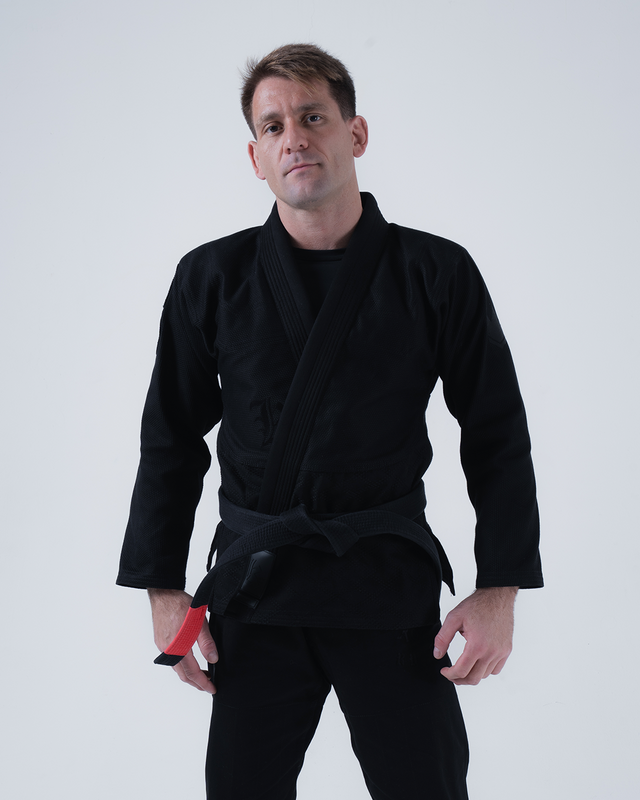
Best Selling Kimonos | KiNGZ™
450gsm Pearl Weave Plus | Diamond-pattern skirt
Shop NowBrazil Takes the Scissors to Tradition
A major, exciting turn came when Mitsuyo Maeda brought judo and its uniform to Brazil. His teaching reached the Gracie family, who adapted the art to fit their ground-fighting goals. This set the stage for what became the modern Brazilian Jiu-Jitsu Gi.
Carlos Gracie and the rest of the Gracie family changed grips and ground tactics to match their style. With that came immediate changes to the judo gi. The heat in Brazil made the original heavy cotton too uncomfortable, but superior performance was the main concern. They made shorter sleeves and shifted to a tighter fit so competitors couldn’t get strong holds. This GI design carried over into BJJ and played a direct, foundational role in shaping the art.
Martial Arts and the Gi: Influences Beyond Brazilian Jiu-Jitsu
The uniform’s reach goes across the entire martial arts community. The traditional GI represents respect, structure, and the cultural significance behind every martial art. Brazilian Jiu-Jitsu introduced a distinctive twist, updating the shape and durability. This adjustment helped set it apart from other systems while proudly preserving its traditional roots.
Modern practitioners now experiment with new materials and adjustments. These changes aim to improve comfort and give the GI a more refined feel without losing its history. The uniform remains an integral part of jiu-jitsu, guiding the training experience and linking practitioners back to earlier generations.
Early Weave Choices: Strength vs. Heat

Once the GI moved toward a tighter fit, material limits became obvious quickly. That opened the door to the first big fight between weaves.
Double Weave: Durable but Heavy
For many years, the double weave was the standard for anyone serious about the martial art. The jacket of this GI was made of thick cotton fabric strengthened around the edges. Early BJJ competitors relied on this build because it held up incredibly well during hard sessions. It was almost impossible to tear. The downside came from the punishing weight. It held heat, dried slowly, and made daily training tough in Brazil’s climate.
The Single Weave Scrapper: Trading Durability for Comfort
The single-weave tried to address the heat issue. It was the lightest kimono option, easy to wear, and more budget-friendly. For martial artists training in hot weather, it was very helpful. But the fabric loosened too easily. Competitors could get a strong grip, turning it into a problem for high-level Brazilian Jiu-Jitsu. It simply wasn’t the right GI for serious matches.
This left practitioners with two flawed choices. Strong but heavy, or light but easier to control. That gap pushed the martial art toward better materials and modern innovations.
The Golden and Pearl Age: The Final Weave War
Neither the single weave nor the double weave fully solved the needs of Brazilian Jiu-Jitsu. Both had big drawbacks. As the art grew, athletes needed something with a better blend of strength, weight, and control. This is where new weaves came in, shaping both traditional GI construction and modern styles.
The Reign of Gold Weave: The Ill-Fated Compromise
The Gold Weave aimed to bridge the gap between the two early options. Many jiu-jitsu practitioners liked it because it gave a strong but lighter feel. Its issue came from the inconsistency after washing. Shrinkage caused massive headaches for competitors who had to follow strict measurements for competition.
The Pearl Weave Revolution: The Modern Dominator
The pearl weave solved those problems. This shift is a major moment in BJJ GI design. Pearl weave is tight, light, and consistent. It fixed the shrinking issues that hurt Gold Weave. That reliability made it the top choice. The GI design finally found a material that could last without feeling too heavy.
Climate also shaped choices. Lighter fabrics help with heat and sweat, supporting comfort and breathability during training. Modern BJJ GIs now use these features while sticking to sizes like A1 – A5 to keep things simple for practitioners.
The Regulation, Culture, and Future of the BJJ GI
The GI affects far more than training comfort. It’s also shaped by rules and long-held habits.
The IBJJF and the Rules of Engagement
The International Brazilian Jiu-Jitsu Federation set standards for the BJJ GI. They outline GI colors, weight, and layout. Only white, blue, and black GIs are allowed at championships. The jacket is cotton with a reinforced collar, and the pants are solid cotton built for constant use.
Competitors also follow defined BJJ weight classes, which work alongside GI regulations to keep matches fair and consistent.
Competitors can only wear patches in approved spots, so they can show team support without breaking rules. Customization has become popular while still following these guidelines.
The Cultural Significance and Symbolism
The GI plays a strong role in shaping the behavior and mindset inside the martial arts world. Wearing it shows respect for the art and its traditional roots. It also connects practitioners to the history behind the Japanese martial art. The BJJ belt works as a quick way to see skill level and progress. This mix of cultural significance and structure binds the martial arts community together. This shared culture is also expressed through phrases like oss BJJ, which practitioners use as a sign of respect and connection on and off the mats.
Brazilian Jiu-Jitsu GI Colors
While the history of the GI is rooted in the traditional white kimono of Judo, Brazilian Jiu-Jitsu has embraced a wider, yet still restricted, spectrum. For daily training, practitioners can enjoy different colors and even combined colors (like a white jacket with blue pants).
However, for official competition, the uniform must strictly adhere to the federation rules (IBJJF). The only colors allowed at international championships are white, blue, or black GIs. This standardization upholds discipline and allows referees to track competitors easily.
BJJ GI Patches and Customization
Patches offer the primary way practitioners express personal style and team identity within the structured martial art.
While widespread adoption of patches is common, their placement is heavily regulated; rules dictate the size, content, and specific placement (up to thirteen locations) of every patch on the kimono's jacket and pants. This balance of freedom and restriction is a core part of the cultural significance of the BJJ GI.
The Future of the GI
The GI supports fluid movement and limits how much fabric an opponent can grab during grappling. New materials, such as ripstop blends, help improve durability. Better cuts give more unrestricted movement and reduce bunching. These changes reflect a continuous evolution.
Alongside this, no-GI jiu-jitsu became a popular choice for those who want maximum flexibility without fabric grips, often paired with specialized no-GI BJJ gear, such as rash guards and grappling shorts. No-GI uses gear designed to move easily, offering a different approach to the training experience. Both paths continue to influence how the art grows.

High Quality BJJ No Gi | KiNGZ
Premium construction that stands up to intense workouts
Shop NowFrequently Asked Questions
How Does the GI's Color Affect My Rank?
The color of the kimono itself (blue, black, or traditional white) has absolutely no bearing on your rank, which is solely designated by the color of your belt. The GI is primarily a uniform choice for personal style or competition rules, and the rank belt is worn over it.
Why Is the BJJ GI Mandatory for Traditional Training?
The GI is an integral part of jiu-jitsu training because it allows practitioners to simulate real-world conflict by using grips to control their opponent's clothing. This practice, central to the art's history, provides a more challenging and complete training experience than just submission techniques like joint locks.
What Is the Most Common Material Used for GI Pants?
While the jacket is often made from a heavy cotton weave, the GI pants are usually made from Ripstop fabric or durable cotton blends to allow maximum flexibility and fluid movement. These modern innovations make the pants lighter than the original kimono and more efficient for grappling.
What Are the Main Disadvantages of a Single Weave Gi?
The Single Weave is the lightest and most cost-effective weave, but its primary disadvantage is poor durability under heavy training. Because the fabric is less dense, it can feel too loose, making it easy for competitors to grab the competitor's wrist and quickly wear down.
How Do Modern GI Designs Ensure Maximum Flexibility?
Modern BJJ GI designs achieve maximum flexibility and unrestricted movement through ergonomic patterns, precise, tighter fit cuts, and lighter weave materials in the uniform. This continuous evolution ensures the gear doesn't hinder a practitioner's techniques during competition in Brazil or Japan.
How Have GI Collars Evolved for Competition?
Modern GI collars now feature a thicker inner material, often made of EVA foam, to reinforce the jacket lapel. This modern innovation makes the jacket lapel stiffer and harder to compress for choke techniques, while also preventing opponents from maintaining dominant grips on the fabric.
What Is the Cultural Significance of the GI Beyond the Dojo?
The cultural significance of the GI extends beyond the dojo as a symbol of discipline, helping the art achieve widespread adoption after the UFC. This sense of unity, stemming from the uniform's history traced back to Mitsuyo Maeda, encourages respect and helps practitioners identify with the global jiu-jitsu style.
Conclusion
The history of the BJJ GI shows how much thought went into finding better materials. It began with single- and double-weave options, moved to gold weave, and landed on the pearl weave, which became the clear winner. Every GI worn today carries the results of these awesome changes. The Gracie family helped push the uniform forward, while judo gave the first structure.
At Kingz, we take pride in building every Brazilian Jiu-Jitsu GI with care. We use high-grade pearl weave, reinforced collars, and cuts shaped for performance. Our uniforms meet the needs of both competition and everyday training, combining years of work with modern innovations.