News
Kids’ Gi Sizes Explained: How to Pick the Right Fit the First Time

A first class can be challenging enough without a gi that’s too long, too tight, or coming untucked. Kids notice these details and they pull attention away from learning.
This kids' gi guide breaks down kids’ gi sizes in plain terms, so choosing a gi for kids feels measured, not guesswork. When the fit is right, learning and movement come more easily.
What Is a BJJ Gi and Why Does Size Matter for Kids
A BJJ gi might look simple, just a jacket and pants made of thick cotton. But on the mat, especially for kids, it’s more than clothing. The right kids’ gi sizes help them move, grab, and roll comfortably. If a gi doesn’t fit, it’s not just uncomfortable; it gets in the way. Sleeves twist, pants bunch up, and what should be fun can quickly feel awkward.
Kids’ gis aren’t just smaller adult versions. They’re lighter, a bit shorter, and built stronger in the right places. Sleeves that are too long can catch fingers during movement. Pants that bunch under tiny feet can cause trips. Too tight, and kids can’t move freely. Too loose, and everything slides around.
Fit matters in quiet ways, too. When a gi feels right, kids relax and can focus on learning. When it doesn’t, frustration is the result. Add the fact that kids grow unevenly, sometimes in spurts, and you see why sizing isn’t about perfection; it’s about balance.
Having the right kids’ gi guide helps you find that balance and ensures training stays safe, smooth, and, most importantly, enjoyable from the very first class.
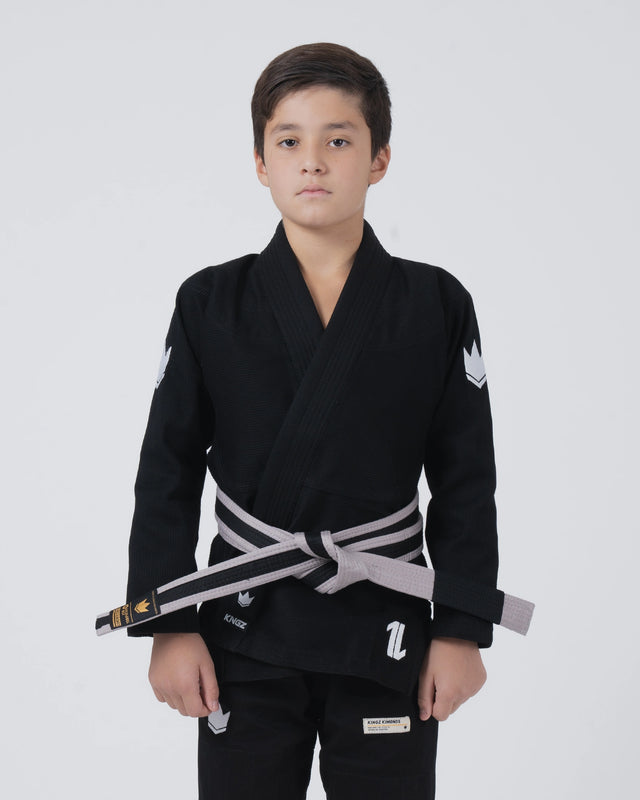
Understanding Kids' Gi Sizing Systems
Kids’ gi sizes aren’t just smaller versions of adult gis, as mentioned earlier, and that’s where a lot of confusion starts. Instead of the familiar A0 - A5 system, most brands use youth labels like M, C, or Y. Kingz uses M. These letters are built around smaller frames and the way kids grow, not just a scaled-down adult shape. The goal is the same: match the gi to a child’s body.
For the youngest kids, you’ll often see M sizes, from M000 up to M4.
Most sizing charts combine height and weight. Height helps figure out sleeve and pant length. Weight accounts for build; some kids are slim, others sturdier. Age shows up sometimes, but it’s only a rough guide. Two eight-year-olds can need very different sizes.
Below is a general reference.
|
Size Notation |
Typical Age Range |
Height Range |
Weight Range |
|
M000 / M0000 |
3 - 5 years |
3'0" - 3'6" |
30 - 45 lbs |
|
M00 |
5 - 7 years |
3'6" - 4'0" |
45 - 60 lbs |
|
M0 |
7 - 9 years |
4'0" - 4'6" |
60 - 80 lbs |
|
M1 |
9 - 11 years |
4'6" - 5'0" |
80 - 100 lbs |
|
M2 |
11 - 13 years |
5'0" - 5'3" |
100 - 120 lbs |
|
M3 |
13+ years |
5'3" - 5'6" |
120 - 140 lbs |
Eventually, kids outgrow youth sizing altogether and transition into adult sizes like A0 or A1 or F0 or F1 - women size. When that moment comes, the same principles apply: measure carefully, check the brand chart, and don’t assume consistency across labels.
Understanding how kids’ gi sizes are structured makes the process calmer and far more predictable.
Key Factors to Consider When Choosing a Gi for Kids
Sizing charts are useful, but they don’t account for every variable. Choosing the right gi for kids means weighing a few practical details together to get the maximum benefit for your child.
-
Height comes first: Determines where sleeves and pant legs fall. If height and weight don’t match perfectly on a chart, it’s usually best to follow height and adjust for build.
-
Weight matters: Gives context for slim, broad-shouldered, or solid kids. Helps account for body type, not just length.
-
Age is a guide, not a rule: Useful for quick estimates, especially for beginners. Kids grow unevenly; some shoot up, some fill out, some do both, so age alone can mislead.
Fit depends on use:
-
Training: Slightly roomier cut allows for growth.
-
Competition: Cleaner, more precise fit matters. Sleeves or pants that are too long or too short may fail inspection.
-
Fabric and shrinkage: Pre-shrunk gis hold shape better. Others may shrink 5 - 10% after washing, or more if dried hot, quickly turning a just-right fit into a tight one.
Practical considerations:
-
Measure your child in everyday clothes, standing naturally.
-
If they’re between sizes, consider how fast they’re growing, not how old they are.
-
Active kids who train often benefit from durable construction and a secure fit.
Choosing the right kids’ gi size is about balance.. Comfort, movement, and a little room to grow, nothing more complicated than that, but nothing to ignore either.
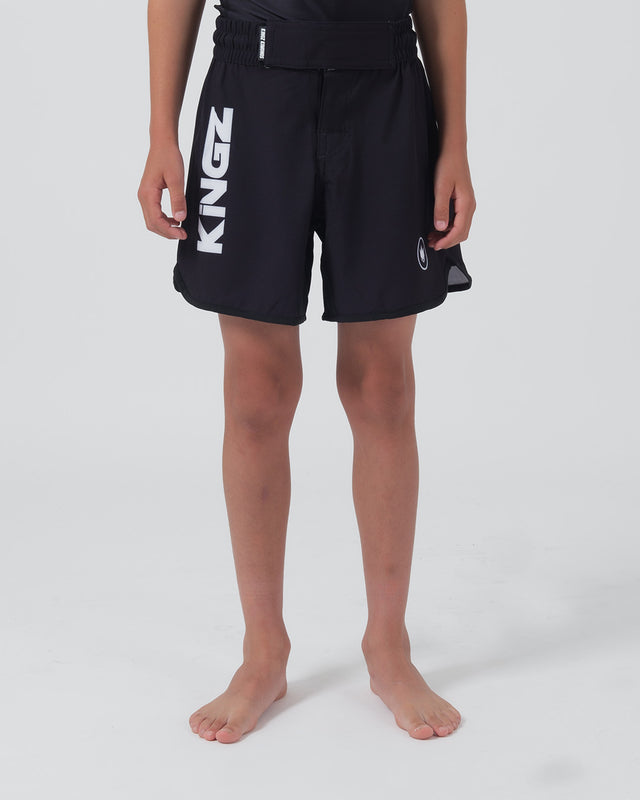
How to Measure Your Child for the Perfect Fit
Guessing your child’s gi size might work, sometimes. But more often than not, it just leads to frustration or returns. A few quick measurements can save you that headache, especially if they’re in between sizes.
Start with height. Have your kid stand straight, barefoot, heels against a wall. Measure from the floor to the top of the head. Minor movement is fine; focus on a natural standing posture.
Then check the weight. Any regular scale is OK. It’s not just about length, weight gives you a sense of build, which can change how a gi fits.
If you want to be thorough, measure arm length (shoulder to wrist, arm relaxed) and inseam (crotch to ankle). Not every chart asks for these, but they help if your child has long arms or legs for their age.
A few practical things:
-
Skip shoes and bulky clothes.
-
If they’re between sizes, adding an inch or two for growth usually works.
-
Remember, non–pre-shrunk gis shrink a little after the first wash.
Trying a gi on in person is ideal, of course, but if you’re ordering online, careful measuring and knowing the return policy can save a lot of stress. A properly fitted gi should feel unobtrusive once training begins, and that’s the goal.
Common Mistakes to Avoid in Kids' Gi Sizing
Most sizing issues don’t come from a lack of effort. Most problems happen when what seems obvious doesn’t actually work on the mat. Having the right kids’ gi guide and knowing what to avoid can save time, returns, and a few frustrated classes.
-
Buying too big to grow into. It sounds practical. In reality, oversized sleeves twist, pant legs drag, and grips get sloppy. Kids spend more time adjusting their uniform instead of focusing on instruction.
-
Assuming sizes are universal. Assuming sizes are universal is a common mistake. An M1 is not an M1 across every brand—cuts, fabrics, and shrinkage vary. Differences between models, even within the Kingz kids gi range, mean checking product specifications matters more than relying on the size label alone.
-
Relying only on age. Age-based sizing ignores body type. Two kids the same age can differ by several inches in height or twenty pounds in weight. That gap matters when choosing kids’ gi sizes.
-
Forgetting about shrinkage. Non-pre-shrunk gis often tighten after the first wash. Washing before checking the fit, or ignoring care instructions, can turn a borderline size into a problem.
Common fixes are simple:
-
Use height and weight as your anchors.
-
Check the exact sizing guide for that gi for kids.
-
Wash and try the gi early, while exchanges are still easy.
Bottom Line
Getting kids’ gi sizes right isn’t about finding a perfect number. It’s about picking a gi that moves with your child, not against them. When the fit works, rolling feels easier, grips behave as they should, and confidence grows quietly.
A properly sized gi helps kids train safely, learn technique cleanly, and enjoy the mat, especially during those first classes when everything feels new. Height and weight matter, brand charts matter, and leaving a bit of room for growth matters too—without extra fabric getting in the way.
Use this guide as a starting point, then check the gi’s specific chart and take real measurements. The more careful you are now, the smoother training will be later, and that’s usually the best sign you got it right.
FAQs
My child is between two sizes, should I go bigger to grow into it?
A little extra room is okay, but too much causes dragging sleeves or bunching pants. Usually, pick the smaller size and allow 1 - 2 inches for growth.
How important is age when choosing a gi size?
Age helps as a rough guide, but kids grow differently. Height and weight give a more reliable fit, especially if your child is taller or sturdier than peers.
Should I worry about fabric shrinkage?
Yes, non-pre-shrunk gis can shrink 5 - 10% after the first wash. Leave a bit of extra room or wash before judging the fit to avoid surprises.
What if we can’t try the gi on before buying?
Measure height, weight, and optional arm/inseam, then check the brand chart. Return policies are your safety net if the fit isn’t quite right.