
News
Ringworm in Jiu-Jitsu: Prevention and Treatment Tips

Brazilian Jiu-Jitsu is often called the gentle art, but the mats tell a more honest story. Skin infections like ringworm in BJJ and impact injuries such as jiu jitsu cauliflower ear are part of close-contact training.
In this guide, we will focus on care, prevention, and smart responses, so you spend less time sidelined and more time training.
Disclaimer: This article is for informational purposes only and does not replace professional medical advice. If you suspect ringworm or any other skin infection, consult a qualified healthcare professional for proper diagnosis and treatment.
Understanding Ringworm in BJJ: The Unwanted Training Partner
First things first, there’s no worm. None. The name sticks, unfortunately, but ringworm in BJJ, also known as dermatophytosis, is a fungal skin infection; the offender is Tinea corporis.
It’s the same type of fungal infection as Athlete’s Foot, but it can appear anywhere skin stays warm and damp. Anywhere skin rubs skin and sweat lingers a little too long.
It often announces itself quietly. A pink patch. Maybe a faint itch you blame on detergent or a rough round the night before. Then the edge sharpens, turns scaly, and forms that telltale ring, clear in the center, irritated around the border.
How does ringworm in jiu jitsu spread? No mystery there. Close contact, which is the nature of the sport. So do damp mats, unwashed gis, shared towels, and that one barefoot trip to the restroom between rounds. Fungi love warmth and moisture. Jiu jitsu gives the pathogen both in bulk.
Here’s the part worth stressing: ringworm in BJJ isn’t a sign of being dirty or careless. It’s a side effect of training hard in a shared space. Gyms are ecosystems. Stuff travels. Catch it early, deal with it properly, and keep the room safe for everyone else.
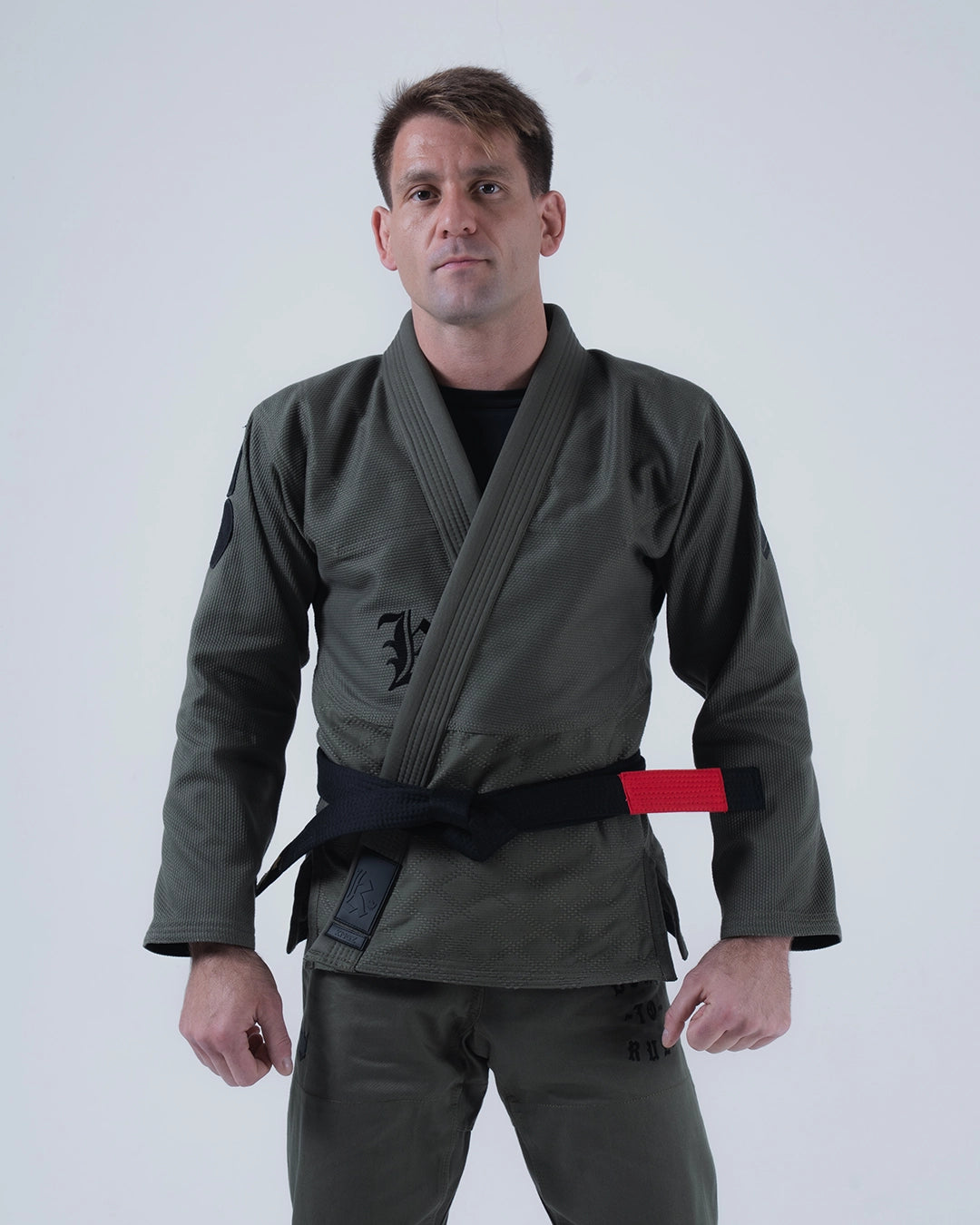
Prevention: The First Line of Defense
Prevention isn’t complicated. It’s basic, but vital, BJJ hygiene. A little boring, maybe. But boring habits are usually the ones that keep you training while others sit out a week scrolling highlight reels and itching their forearms.
Start with timing. Not tomorrow. Not “after I eat.” Right away.
Post-training hygiene matters most in the first hour. Sweat dries. Fungi settle in. Give them less time to unpack.
Practical habits that actually work:
-
Shower within 30 - 60 minutes: Lukewarm water, thorough rinse. Don’t rush it. Hit the neck, armpits, and behind the knees, places that stay damp longer than you think.
-
Use antifungal or tea tree–based soaps: Not magic. Just helpful. These reduce surface fungi without shredding your skin barrier.
-
Wash all training gear immediately
-
Gi
-
Rash guard
-
Shorts, spats, belt: If it touched the mat, it goes in the wash. Even if “it doesn’t smell yet.” Especially then.
-
No bare feet off the mat: Bathroom. Water fountain. Parking lot. All danger zones. Flip-flops exist for a reason. Use them.
-
Do quick daily skin checks: Nothing dramatic. A glance in the mirror. Shoulders, arms, neck. Catching a spot early can mean days of treatment instead of weeks off.
-
Keep nails short and clean: Small cuts are open doors. Trimmed nails reduce scratches that fungi love to exploit.
None of this is glamorous. This is how you stay consistent. Quiet discipline. Same as training.
Treatment: Getting Back to the Mats Safely
So you missed a spot. It happens. Maybe the lighting was bad. Or, perhaps you ignored that itch one round too long. Either way, once the infection shows up, the priority shifts from training through it to handling it correctly. No shortcuts here.
The good news: most cases are easy to treat.
Over-the-counter antifungal creams, clotrimazole or terbinafine, do the job for the majority of athletes. Thin layer. Clean skin. Twice a day. Set a reminder if you have to.
This is where problems usually start. The redness fades, the itch disappears, and suddenly it “looks fine.” It isn’t. Fungi are stubborn, and they don’t leave just because the surface calms down. Keep applying the cream for at least two full weeks, even if the spot seems gone after five days. Especially then.
A few ground rules:
-
Stay off the mats while it’s active: Covering it with tape doesn’t count. Long sleeves don’t count. Protecting teammates is part of training.
-
Don’t share towels or gear: Obvious, maybe. Still ignored more than it should be.
-
Mark the calendar: Track when treatment started and ended. Guessing leads to early returns and repeat infections.
If a patch keeps spreading, gets darker, or won't clear after treatment, stop guessing and see a doctor. They'll confirm what it is and adjust your approach. Sitting out an extra week now beats reinfecting your training partners and starting over.
Handle it cleanly. Come back healthy. That’s how you earn trust on the mats.
Cauliflower Ear in BJJ
Skin infections like ringworm in BJJ get attention because they spread fast, but ear injuries quietly accumulate. Jiu jitsu cauliflower ear starts as fluid between the skin and cartilage from friction or blunt impact. Early signs: heat, pressure, slight redness, or a soft “squishy” feel. Left untreated, it hardens permanently.
Common Triggers
-
Grinding out triangles
-
Driving takedowns with your head
-
Yanking your head from guillotines
-
Long no-gi rounds with constant collar ties
Not mistakes, just high-frequency contact.
Prevention Tips
-
Proper recovery apparel / training gear: Use proper recovery apparel or training gear like headgears.
-
Technique tweaks: Frames instead of your head, slow exits from submissions, careful collar tie handling.
-
Ice early: 10 - 15 minutes immediately after impact to reduce swelling.

Treatment & Maintenance
-
Professional drainage only: Avoid DIY methods; infection risk is high.
-
Compression afterward: Magnets, sutures, or dressings prevent fluid from refilling.
-
Monitor healing: Untreated fluid calcifies into permanent cauliflower cartilage.
Like ringworm care, ear maintenance is about small, consistent habits that keep you training longer, healthier, and safer.
The "Care & Maintenance" Hygiene Checklist
This checklist isn’t about perfection. It’s about lowering risk, quietly, repeatedly, almost on autopilot.
|
Action |
Frequency |
Benefit |
|
Wash gi & rash guard |
Every session |
Kills ringworm jiu jitsu spores before they spread. |
|
Shower with antifungal soap |
Immediately post-training |
Removes mat grime, sweat, and surface fungi. |
|
Trim nails |
When needed but often |
Reduces skin breaks that invite infection. |
Most layoffs from the mat don’t come from big injuries; they come from small things left unchecked. Care is part of training. Always has been.
Bottom Line
Longevity in jiu jitsu isn’t just about technique—it’s also how you care for your skin and your training partners. Ringworm may pop up in BJJ, but with awareness and good hygiene, it’s completely manageable.
Clean habits keep you training. Smart responses build trust. Stay healthy, stay consistent, and you stay on the mat, where real progress happens.
FAQs
What is ringworm BJJ?
A fungal skin infection (Tinea corporis) that spreads through close contact, mats, or unwashed gear. It’s not a worm, just an irritating fungus.
How can I prevent ringworm in jiu jitsu?
Shower within an hour post-training, use antifungal soap, wash gis immediately, keep nails short, and avoid walking barefoot off the mat.
How long should I treat ringworm?
Apply antifungal cream for at least two full weeks, even if the spot seems gone, to ensure the fungus is fully eliminated.
When can I return to training after ringworm?
Only once the infection is fully treated and cleared, with no active lesions, to protect yourself and teammates from reinfection.
Are these injuries a sign of poor hygiene or weakness?
Not at all. They’re common in close-contact sports. Proper awareness and preventive habits are what keep you consistent on the mats.