
News
BJJ Kimura: The Complete Guide to Brazilian Jiu-Jitsu's Most Versatile Submission

When Masahiko Kimura defeated Gracie in that legendary grappling match at the Maracana stadium on October 23, 1951, he secured an incredible victory. But more importantly, he gifted Brazilian Jiu-Jitsu one of its most devastating and foundational techniques.
The move, which snapped Helio Gracie's arm that day, is arguably the single most useful submission in all of Brazilian Jiu-Jitsu. It’s a complete system that allows you to attack, sweep, and transition between dominant positions.
If you're a white belt just starting out or a seasoned competitor looking to improve your attack chains, mastering the BJJ Kimura will immediately upgrade your entire jiu-jitsu game. This guide will walk you through the history and powerful applications of the Kimura lock across Gi, No-Gi, and even mixed martial arts.
What Is the Brazilian Jiu-Jitsu Kimura Lock?
The Kimura is a powerful shoulder lock that uses a specialized grip, known as the figure four grip, to isolate your opponent’s arm. Once secured, use the Kimura lock to apply tremendous pressure on both the shoulder and elbow joints through rotation.
It’s known by many names across the martial arts world, including the double wrist lock in catch wrestling and the gyaku ude garami in Judo. In BJJ, however, the Kimura is the go-to term, permanently etched into the sport’s history.
A Short History of the Kimura Lock
The Kimura lock is named after Masahiko Kimura, the best judoka of his era. Years ago, in Rio de Janeiro, the professional wrestling promoter Carlos Gracie arranged a super fight between Helio Gracie and another opponent, following numerous pro wrestling matches and demonstration matches.
In that legendary match in 1951, Masahiko Kimura secured the technique known in Judo as gyaku ude garami. Helio Gracie refused to tap, and Masahiko Kimura continued to apply pressure, breaking his arm. The Gracie brothers honored the opponent by naming the submission the Kimura.
The double wrist lock actually originated years ago in catch wrestling, used by wrestlers like Robin Reed. After World War II, the Japanese school system's ban on Judo contributed to its spread in martial arts history worldwide through promotions organized by various international entertainment companies. Brazilian Jiu-Jitsu codified the lock's devastating submission potential.
Why the Kimura Is So Versatile in Brazilian Jiu-Jitsu
The power of the Kimura in jiu-jitsu lies in the control the Kimura grip gives you over your opponent. The Kimura trap concept upgrades this lock from a simple joint lock to a one-technique system.
Once you have the Kimura grip, you can control the opponent’s body and force predictable reactions. When the opponent defends the lock by rolling or pulling their arm away, you simply transition to guard passes, sweeps, back takes, or other dominant positions.
Common Positions of the Kimura
The Kimura can be attacked from virtually any position, including closed guard, half guard, side control, north-south, mount, turtle, and the standing position (for powerful takedown counters).
Kimura as a Hub
Think of the Kimura as a hub. Securing the Kimura grip on the opponent’s arm helps you direct the opponent’s body anywhere you need it to go. This connection lets you move seamlessly between your submission attempts and your positional advances.
In grappling circles, the Kimura is sometimes called a 'chicken wing' because of its similarity to other figure-four control techniques.
Kimura Mechanics and Safety Basics
Proper mechanics and safety are crucial. Because the Kimura lock directly attacks the sensitive shoulder joint and elbow joints, cranking it explosively can cause serious damage if your training partner is too slow to tap. Always apply pressure slowly and deliberately.
- Basic Anatomy: The Kimura lock targets the shoulder joint by twisting the arm internally and externally while it's flexed. The main thing is controlling the lever created by the forearm and the elbow line.
- Essential Details: The correct technique requires you to keep the opponent's arm bent at roughly 90 degrees. You must use your chest to connect to the shoulder and control the hips and posture of the opponent. The finish comes from rotating your entire body, not just relying on arm strength.
- Safe Training Habits: Apply pressure slowly. Communicate with your opponent. Tap early if you are caught.
Stay Safe While Training Kimura With the Right Gear
The right gear and clothing will help you stay safe during BJJ. Having reliable BJJ gear like rash guards, spats, and shorts makes long training sessions more comfortable and consistent.
- Kimura transitions often involve explosive hip movement and scrambling, so wearing a flexible pair of BJJ shorts will help prevent wardrobe malfunctions while you chase the finish or the sweep.
- If you primarily train in the Gi and plan to build a Kimura-focused game, starting with a durable men's BJJ kimono that can withstand constant grip fighting is a smart move.
- When you’re drilling Kimura from closed guard, make sure to wear a lightweight training BJJ tee that wicks sweat. This can help you maintain grip quality and posture throughout longer sessions.
- In fast-paced scrambles off bottom Kimura traps, well-fitted no-gi gear prevents loose fabric from getting caught as you spin underneath for sweeps and back takes.
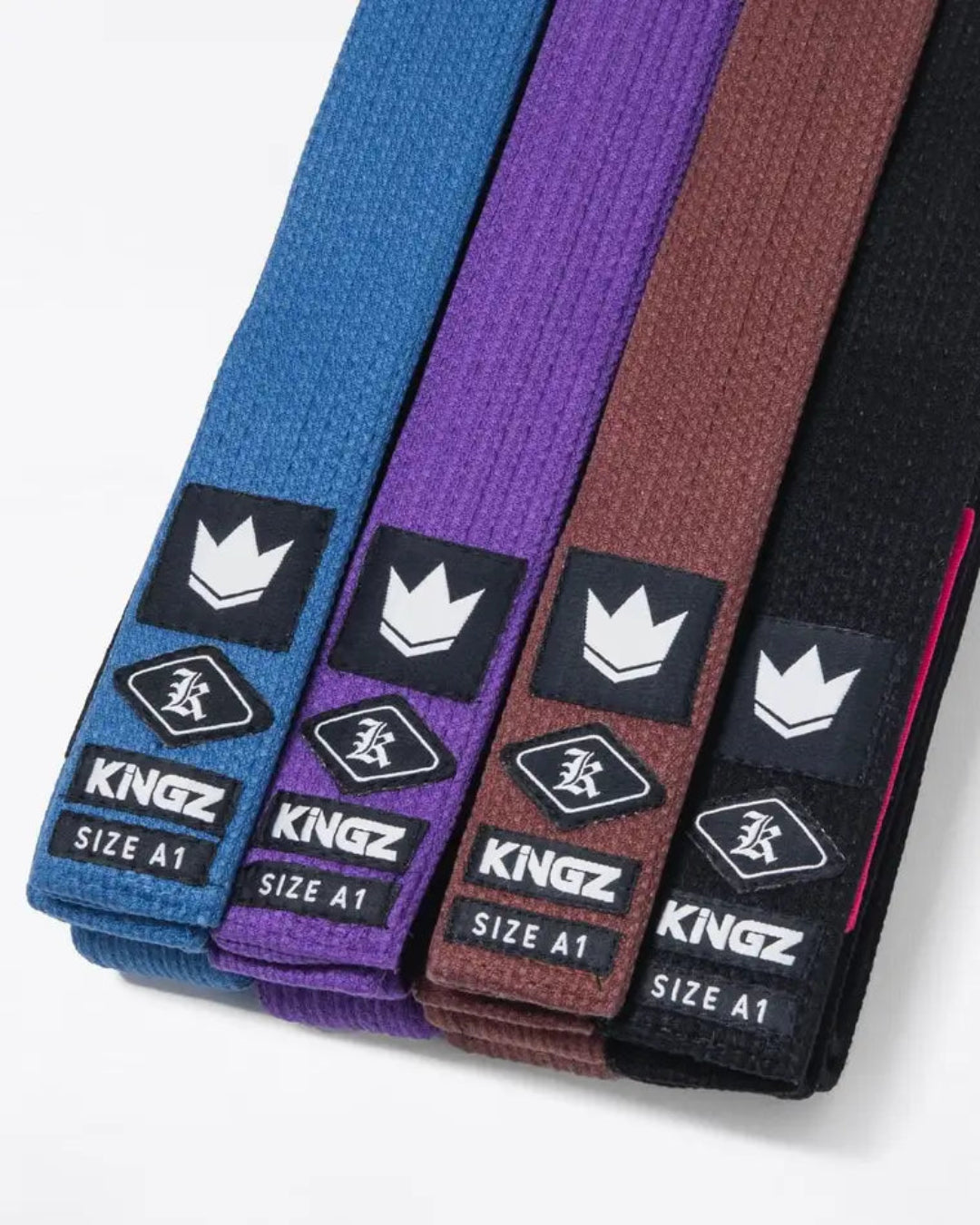
- A good BJJ belt that stays tied during hard rolls is also essential, especially when you repeatedly sit up, switch angles, and rotate for the Kimura.
How to Do a Basic BJJ Kimura from Guard
The closed guard Kimura is a fundamental submission every student learns in jiu-jitsu. In the full guard, also known as the closed guard, you lock your legs around your opponent's waist, providing control. This is an ideal starting point for attacks and submissions like the Kimura.
-
Break Posture: Control the opponent’s head and pull their body forward. This forces their hands to the mat or onto your body.
-
Isolate the Arm: As the opponent posts their hand to keep balance, grab their wrist with your near hand.
-
Secure the Figure-Four: Now, use your other arm (the one nearer the opponent’s head) to wrap under their arm and grab your own wrist, completing the figure four grip — the Kimura grip.
-
Angle and Finish: Perform a slight hip escape toward the trapped arm. Keeping the opponent’s arm tight to your body and the elbow pinned, rotate your body toward their opposite shoulder to apply pressure to the Kimura lock.

Kimura Entries from Top Positions
Top-position Kimuras are powerful because you have gravity and control on your side. You’re applying the lock while your opponent is already worrying about getting smashed or swept.
Kimura from Side Control
Side control is a primary position for the Kimura. It’s a good example of using position before submission.
-
Isolate the Arm: Control the near-side arm of the opponent.
-
Secure the Grip: Grab the wrist and secure the Kimura grip.
- Finish: Use your right arm and shoulder pressure to pin the opponent while rotating their arm toward their head and apply pressure for the Kimura lock.
Kimura from North-South
From side control, you can transition to North-South. This position allows you to put maximum pressure on the opponent's body. The Kimura here is often used to transition to an armbar or other submissions.
Kimura from Mount and Top Half Guard
-
From Mount: When the opponent frames or pushes on your body, you isolate the arm. Use your knee to pin their head or shoulder and apply pressure with the Kimura lock.
- From Top Half Guard: The half guard Kimura is a classic setup for the "Kimura to Guard Passes" sequence. You use the Kimura grip to threaten the submission, and when the opponent defends by turning in, you use the grip to pull them open and pass their leg.
Kimura from Bottom Positions: Sweeps, Submissions, and Traps
From the bottom, the Kimura becomes a devastating off-balancing tool. Developing a dangerous bottom Kimura trap makes opponents hesitant to post their hands and legs.
Kimura from Closed and Open Guard
-
Closed Guard: As described above, the closed guard Kimura is perfect for setting up sweeps, often by combining it with a hip bump motion or using the Kimura grip to pull the opponent into a scramble where you can grab the leg for a toe hold or a trip.
- Open Guard: From Open Guard, you attack the opponent's arm when they post on the mat. You can use the Kimura grip to set up attacks like the omoplata or the triangle submission. Modern practitioners also blend Kimura traps with positions like the k guard bjj to create new sweep and submission opportunities.
Using the Kimura Trap System
The Kimura Trap System (KTS), popularized by David Avellan, treats the Kimura as a control configuration — the Kimura trap — that you maintain control of through scrambles.
This powerful system helps you to follow the opponent from guard to top position to the back, always threatening the Kimura lock. For example, when the opponent tries to escape a bottom Kimura trap by rolling out, you follow the roll, using your leg close to their head, and end up on their back.
The Kimura trap system focuses on holding the person in place and moving into better spots, instead of trying to finish the submission right away. This systematic approach is what truly separates the BJJ Kimura from other submissions.

Common Kimura Mistakes and How to Fix Them
Many practitioners know about the Kimura but struggle to finish because of common technical errors in the Kimura lock.
1. Letting the Elbow Drift: The biggest mistake is allowing the opponent's elbow to drift away from your body. This weakens your leverage and allows the opponent to pull their arm straight.
Fix: Pin the opponent's arm and elbow to your chest before applying pressure.
2. Trying to Finish with Arm Strength: Beginners often try to finish the Kimura lock by pulling with their arm muscles.
Fix: Use body rotation, hips, and shoulder pressure to apply pressure. The arm and Kimura grip only set the lever.
3. Not Controlling Posture or Hips: If the opponent's body is upright, they can simply pull their arm free.
Fix: Always keep the opponent's head and shoulder pinned down using your leg or chest.
4. Overcommitting and Losing Position: Attacking too aggressively when your opponent defends can cause you to lose side control or mount.
Fix: Adopt the Kimura trap philosophy: if the submission is not there, transition to other dominant positions or a sweep.
Kimura Defenses and Escapes
Knowing the defense the Kimura position is important for safety and for improving your own attacks. The best defense against the Kimura lock is to never allow the figure four grip to be secured.
Early-Stage Kimura Defenses
-
Hand-Fighting: Never let your wrist be exposed. Keep your elbow joints tight to your body, especially when on the mat.
-
Grip Break: If the opponent grabs your wrist, immediately pull your hand away and grab your own belt or gi to make a "pocket" where your wrist cannot be threaded through for the double wristlock.
Late-Stage Kimura Escapes and Rolls
When the Kimura lock is almost fully locked, you must turn your body toward the opponent's arm. This movement changes the angle of your shoulder joint and relieves the pressure.
If you cannot escape, tapping immediately is crucial to protect your shoulder from the rotational force of the Kimura lock.
Building a Kimura-Based Game Plan (Gi and No-Gi)
The Kimura is perfect for building a jiu-jitsu game around, especially since it's highly effective in both Gi (with slightly more friction) and No-Gi (requiring a tighter grip).
-
Linking Submissions: The Kimura grip is the fastest setup for the armbar. The basic sequence is: attempt Kimura, opponent straightens their arm to defend, then transition to a straight-arm lock or an armbar. You can use the same control to set up the triangle from guard.
- Setting up the "Kimura Path": The Kimura trap concept dictates your movement. You secure the Kimura grip, and the opponent's reaction (pulling away, rolling, turning) directs you toward your next position. This could be either from a guard pass or a back take. The Kimura trap system is the ultimate flow-chart for competitive jiu-jitsu.

Drills to Master the BJJ Kimura
To make the Kimura instinctive, you must drill it until the technique is unconscious.
-
Technical Reps: Drill entries from closed guard, side control, mount, and half guard 50 times each. Focus on securing the figure-four grip and applying pressure with body rotation, not just the arm.
-
Positional Sparring: Start sparring rounds with the Kimura grip already secured. This forces you to transition, maintain control, and follow the Kimura trap through different defensive reactions.
- The "Kimura Circuit": Drill the Kimura technique to armbar to toe hold transition as a chain. Masahiko Kimura's success was due to his absolute mastery of the fundamentals.
Frequently Asked Questions
Is The Kimura Legal In BJJ For All Belt Levels?
The Kimura is legal for adult competitors (White Belt and up) in most major federations. However, it is generally prohibited in youth divisions, as any joint lock on the shoulder and elbow joints is deemed too dangerous for young practitioners.
Is the BJJ Kimura Dangerous for the Shoulder?
Yes, the Kimura lock is highly dangerous because it uses rotation to attack the shoulder joint. This is why controlled application and tapping immediately upon feeling the pressure are essential for safety in Brazilian Jiu-Jitsu.
What Is the Difference Between a Kimura and an Americana?
The Kimura (double wristlock) is an internal shoulder rotation where the arm is forced away from the head, while the Americana (or Keylock) is an external shoulder rotation where the opponent's hand is forced toward their head and shoulder.
Can You Use the Kimura in MMA and Self-Defense?
The Kimura is extremely effective in mixed martial arts (MMA) and self-defense because the Kimura grip allows you to control the opponent's body while simultaneously threatening a devastating submission. It works well as a takedown counter when the opponent shoots in and posts their arm on the mat.
Why Does My Kimura Keep Slipping or Failing in Sparring?
Your Kimura is likely slipping because you are not keeping the opponent's elbow pinned and are not controlling their hips or posture. You must maintain control of the entire opponent's body using your outside leg and chest, not just the arm.
Is the Kimura Effective in No-Gi BJJ?
The Kimura is one of the most effective submissions in No-Gi jiu-jitsu because it’s a grip that locks the opponent's arm to itself, requiring no fabric. The friction on the mat makes the Kimura trap especially powerful for back takes and sweeps.
How Long Does it Take to Get Good at The Kimura?
Mastering the mechanics of the Kimura technique is fast, but becoming "good" at the Kimura trap system takes years of consistent drilling and positional sparring. Focus on making the submission a reliable part of your submission chains.
Train, Roll, and Finish Kimuras with Confidence
Mastering the Kimura requires solid technique, intelligent training, and a focus on transitions. It’s the ultimate expression of Brazilian Jiu-Jitsu philosophy: a single lever, the Kimura lock, that allows a smaller person to devastate a larger opponent.
Level up your Kimura training with reliable gear from Kingz — check out our latest gis and no-gi essentials.