
News
Your First Jiu Jitsu Class: What to Expect and How to Prepare

Walking into your first jiu jitsu class can feel uncertain. Unfamiliar perfectly describes how your first class might feel. New space, new etiquette, a different pace of movement.
That is part of starting Brazilian jiu jitsu (BJJ). If you’re wondering what to expect in your first BJJ class or how to prepare without overthinking it, this guide is for you.
Pre-Class Preparation: Setting Yourself Up for Success
Preparation isn’t about looking experienced. It’s about showing respect, for your training partners, the instructor, and the space you’re stepping into. Brazilian jiu jitsu is all about close contact, teamwork, and consistency. How you get ready before class affects all three.
Hygiene and Health
In a sport where distance disappears quickly, hygiene is part of training, a vital element.
Before class
-
Shower if you’re coming from work or another workout
-
Apply deodorant
-
Brush your teeth or use mouthwash
These habits keep training comfortable and show consideration for your partners.
Nails and skin
-
Trim fingernails and toenails short
-
Avoid training with open cuts or wounds
-
Stay off the mats if you have a skin infection (such as ringworm or staph) or feel unwell
Scratches and infections spread easily in grappling. Sitting out when necessary protects the whole room.
Extra tip for women: Remove all makeup before training
Footwear protocol
-
Bring flip-flops or sandals
-
Wear them any time you’re off the mats
-
Use them in bathrooms and locker rooms
-
Keep all footwear, street shoes included, off the mats
Clean mats don’t happen by accident. Everyone plays a role.
What to Wear to a Jiu Jitsu Class
Wearing the right gear isn’t about style. It’s about safety, movement, and respecting the rules of the academy. Most gyms are flexible with beginners, but knowing the basics helps you start on the right foot.
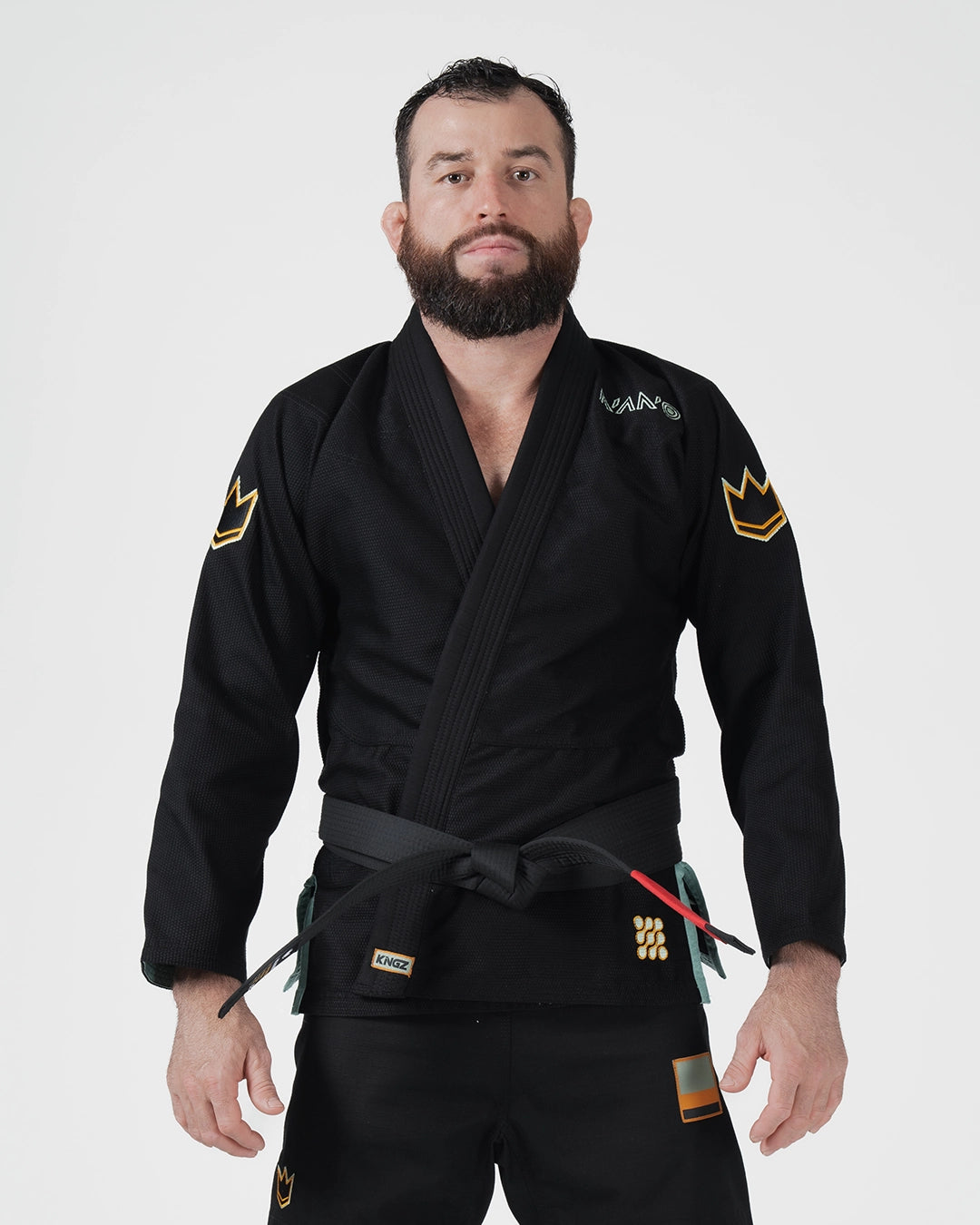
For gi classes
-
A clean, dry gi (kimono)
-
A belt (most gyms will lend one if you don’t have it yet)
-
Rash guard
-
For women: sports bras under the rash guard and fitness shorts or leggings under the pants.
If you don’t own a gi, contact the gym. Many academies offer loaner gis for first-time students.
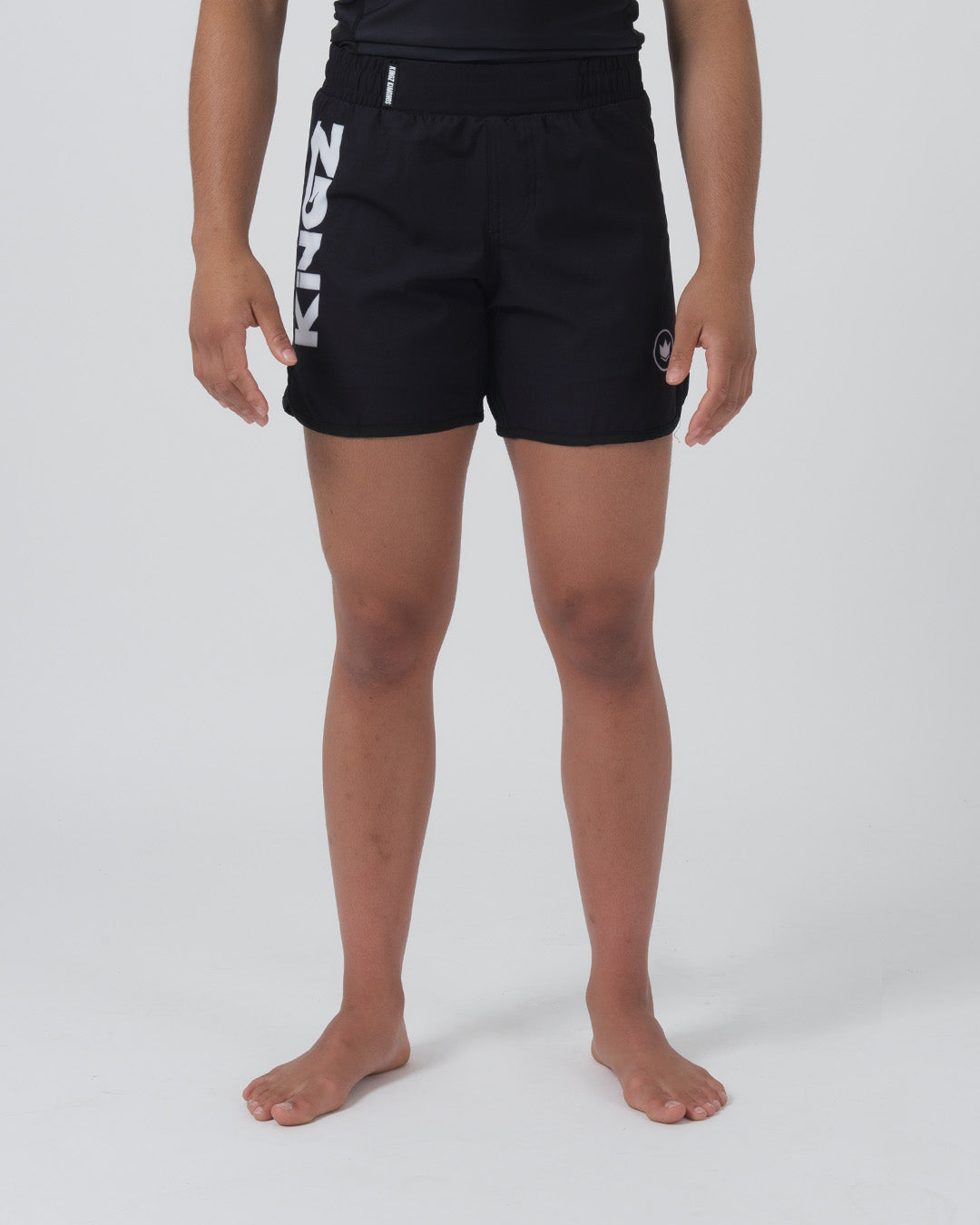
For no-gi classes
-
Grappling shorts or spats (tight-fitting leggings)
Avoid:
-
Loose t-shirts
-
Shorts with pockets, zippers, or buttons
Loose clothing and hardware increase the risk of finger injuries during training.
Essentials for your gym bag
-
Water bottle
-
Small towel
-
Change of clothes for after class
-
Flip-flops or sandals
-
Lock, if lockers are available
Keep your gear clean and fully dry between sessions. Damp equipment holds bacteria and breaks down faster over time.
Mindset and Practical Logistics
A few small decisions before class can make the experience smoother.
Arrive Early
-
Plan to arrive 10–15 minutes before class
-
Use the time to check in, change, and settle in
Rushing creates unnecessary stress. Early arrival shows respect for the schedule and the instructor.
Fuel and Hydration
-
Eat a light meal 1–2 hours before class
-
Focus on easily digestible foods
-
Hydrate throughout the day
Avoid heavy or greasy meals close to training.
Communicate Clearly
-
Let the instructor know it’s your first class
-
Probably the front desk person will introduce you to the instructor - if it doesn't happen, it's a red flag
-
Mention any injuries, limitations, or health concerns
Coaches expect beginners. Clear communication helps them guide you safely.
You don’t need to know techniques before showing up. You don’t need to be in peak shape. Just arrive prepared, open to instruction, and willing to learn.
Anatomy of Your First Jiu Jitsu Class
Not knowing what will happen is often more stressful than the training itself. While every academy has its own rhythm, most beginner classes follow a similar structure. Understanding that structure ahead of time makes it easier to relax and focus on learning.
Typical Structure of a Beginner BJJ Class
Most classes move through a few predictable phases. You’re not expected to excel in any of them on day one, only to participate safely and pay attention.
|
Phase |
What Happens |
Beginner Focus |
|
Warm-Up (10 - 15 minutes) |
Light jogging, stretching, mobilities, and jiu jitsu specific movements like shrimping, bridging, and technical stand-ups |
Move at your own pace. Awkward is normal. Warming up safely matters more than precision |
|
Technique Instruction (20 - 30 minutes) |
The instructor demonstrates one to three related techniques, then students drill them with partners |
Watch closely. Ask questions. Focus on one detail at a time |
|
Drilling/Positional Training (15 - 20 minutes) |
Repetition of the technique with light resistance, often starting from a specific position |
Prioritize control and correct movement over speed or strength |
|
Live Sparring/Rolling (Optional) |
Free practice under supervision |
Go slowly, breathe, and tap early |
|
Cool Down/Closing |
Light stretching or final notes from the coach |
Listen, observe, and take mental notes |
Not every class includes live sparring for first-timers. Some gyms ease beginners in gradually. Both approaches are normal.
Partnering Up and Gym Etiquette
Jiu jitsu is learned by working with and against others. How you treat your partners matters.
Who you’ll train with
-
Beginners are often paired with more experienced students
-
Upper belts help guide movement and keep the pace safe
-
Size and strength mismatches are common and expected
This pairing isn’t a test. It’s support. In fact, don't feel intimidated if your partner is a higher belt, it's actually the best scenario to you!
On-mat etiquette
-
Listen closely when the instructor is speaking (while the instructor is showing the technique, stay seated, do not lie on the mat)
-
Pause drilling when techniques are being demonstrated
-
A fist bump or handshake before and after training is standard
Respect keeps the room running smoothly.
Tapping and safety
-
Tap with your hand, foot, or verbally if needed
-
Tap early; there’s no benefit in waiting
-
Release submissions immediately when your partner taps
Tapping isn’t losing. It’s how training continues without injury.
Common Beginner Mistakes to Avoid
Everyone makes mistakes early on. These are the most common, and the easiest to correct.
-
Strength instead of technique (it's hard in the beggining, but you will be aware of this overtime)
-
Holding your breath during drills or sparring
-
Moving too fast before understanding the position
-
Apologizing repeatedly for being new (never apologize - everyone had their day one.)
-
Comparing yourself to more experienced students
Your role as a beginner is simple: stay safe, stay attentive, and keep showing up.
After Your First Class: What Comes Next
Your first jiu jitsu class doesn’t end when you step off the mat. The hours and days that follow are part of the process, especially in the early weeks.
Expect some soreness
-
Muscle soreness is common, particularly in the neck, hips, and core
-
This discomfort usually peaks a day or two after training
-
Light movement, hydration, and rest help recovery
This is your body adapting to new demands.
Progress feels uneven
-
Some sessions will feel productive
-
Others may feel confusing or uncoordinated
Jiu jitsu doesn’t reward short bursts of intensity. Attendance over time is the key.
Pay attention to the environment
-
Are instructors attentive and clear?
-
Do training partners respect pace and safety?
-
Does the culture encourage learning over ego?
Finding the right academy matters. Comfort, trust, and clear instruction support long-term growth.
Keep expectations realistic
-
You’re not meant to remember everything
-
You’re not meant to win rounds
-
You are meant to learn how positions work and how to stay calm under pressure
Early progress is subtle. Often, it shows up as better awareness rather than visible success.
Bottom Line
The first jiu jitsu class is the beginning of a learning spectrum, a marathon, not a sprint. It’s normal to feel nervous or make mistakes. Everybody does. Even professional grapplers with black belt. On day one, focus on being prepared, respecting the rules, and paying attention to instruction.
Getting better in jiu jitsu comes from showing up, staying aware, and noticing the small improvements over time. Every class adds more than just techniques; it helps you grow patience, resilience, and problem-solving skills.
By stepping onto the mat with respect for your partners and the art, you’ve already passed the most important test: committing to the process. The mats are a space to learn, adapt, and grow, and every return visit is another step forward.
FAQS
What age is right to start jiu jitsu?
Jiu jitsu is accessible across all ages. Many academies offer programs for children as young as 3 - 5, focusing on coordination, balance, and basic movement skills. Structured technique typically begins around ages 6 - 10. For adults, there’s no upper limit.
Is jiu jitsu hard for beginners?
Yes, especially at first. The learning curve includes technical complexity, new movements, and the challenge of staying calm while being submitted. It also requires physical endurance and mental resilience. These challenges are part of the process and lead to practical skills, improved fitness, and confidence over time.
What should I expect physically after my first class?
Muscle soreness is normal, especially in the neck, core, and hips. This is called delayed onset muscle soreness (DOMS) and usually peaks 24 - 48 hours later. Hydration, light movement, and rest help recovery. Your body will adapt gradually.
Do I need to be in shape before starting?
No. Jiu jitsu is learned progressively. While fitness helps, technique, patience, and attention to instruction matter more than pre-existing strength or endurance. Many beginners improve physical conditioning as a natural part of training.
Can I participate in live sparring on my first day?
Some gyms allow beginners to roll lightly under supervision; others delay sparring until foundational techniques are understood. Both approaches are standard. When you do roll, focus on technique, breathe, and tap early to stay safe.
What is tapping, and why is it important?
Tapping, physically or verbally, is how you signal submission. It prevents injury and allows both partners to continue training safely. Tapping early is expected and respected; it’s a core part of learning, not a sign of failure.
How often should I attend classes as a beginner?
Consistency matters more than intensity. Aim for 2 - 3 sessions per week if possible. Even one class per week is beneficial, but regular attendance accelerates learning and helps your body adapt to new movements.
How do I find the right academy?
Check the gym’s culture. Are the teachers clear? Do people treat each other well? Feeling safe and welcome makes training easier. Find a place where you feel comfortable and can improve.

